

Long-term project · since 2015
In the Shadow of the Forest
Tracking the Eurasian Lynx — with camera traps in the Bavarian Forest.
Period
since 2015
Region
Bavarian Forest
Technique
DSLR Camera Traps
Partner
Bavarian Lynx Project
The Bavarian Forest is home to the Eurasian lynx — one of the last refuges for this shy cat in Germany. Here, I share my experiences photographing these tuft-eared felines and offer insights into the conservation projects dedicated to their preservation.
In May 2015, a cry of outrage went through the national and international press: illegal lynx killings in the Bavarian Forest became known. The perpetrators were even so brazen as to place severed lynx paws in the immediate vicinity of a camera trap belonging to the Bavarian Lynx Project. For me, it was clear: good images of these animals were needed to evoke emotions and understanding for these wonderful cats through their unique beauty. But how?
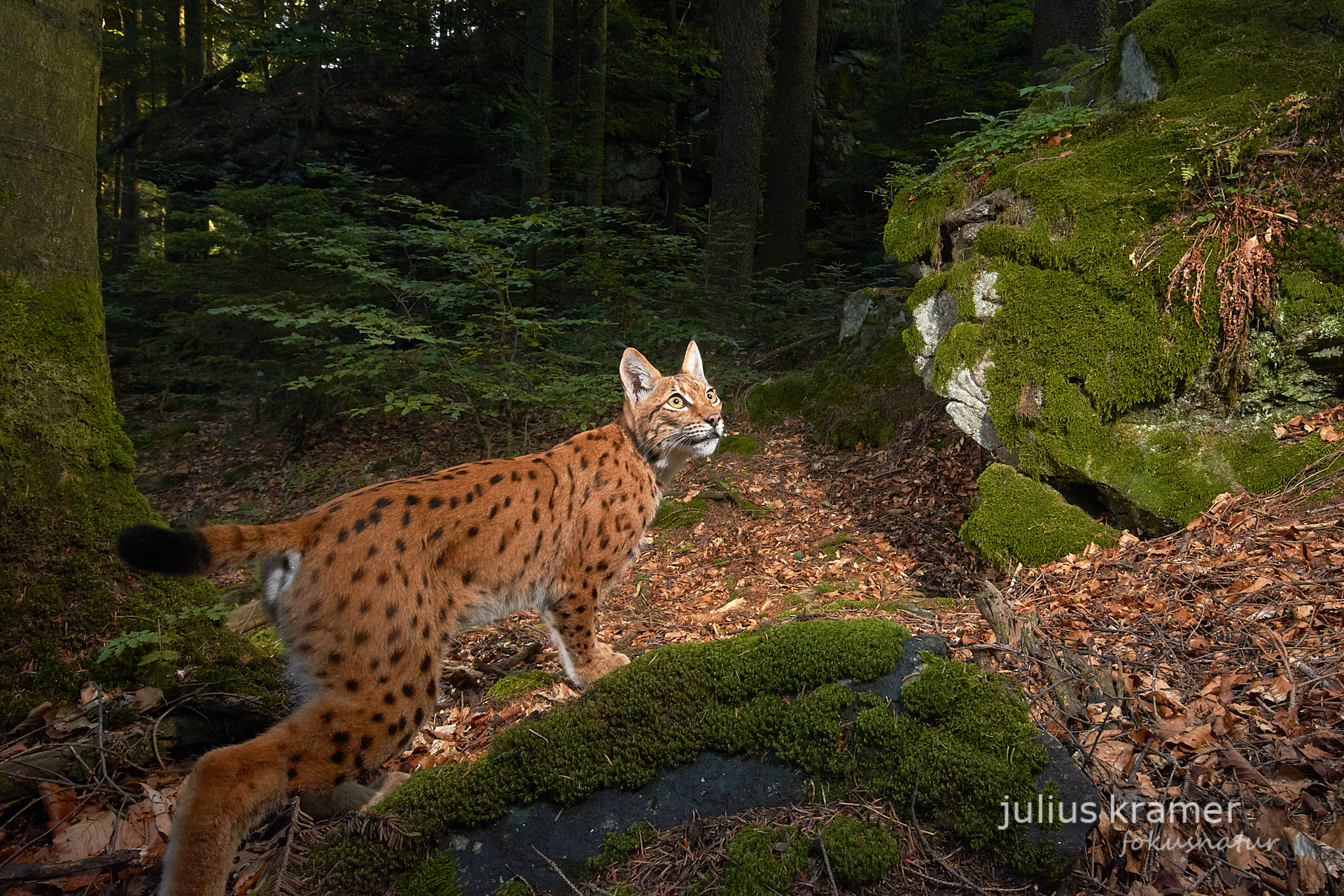
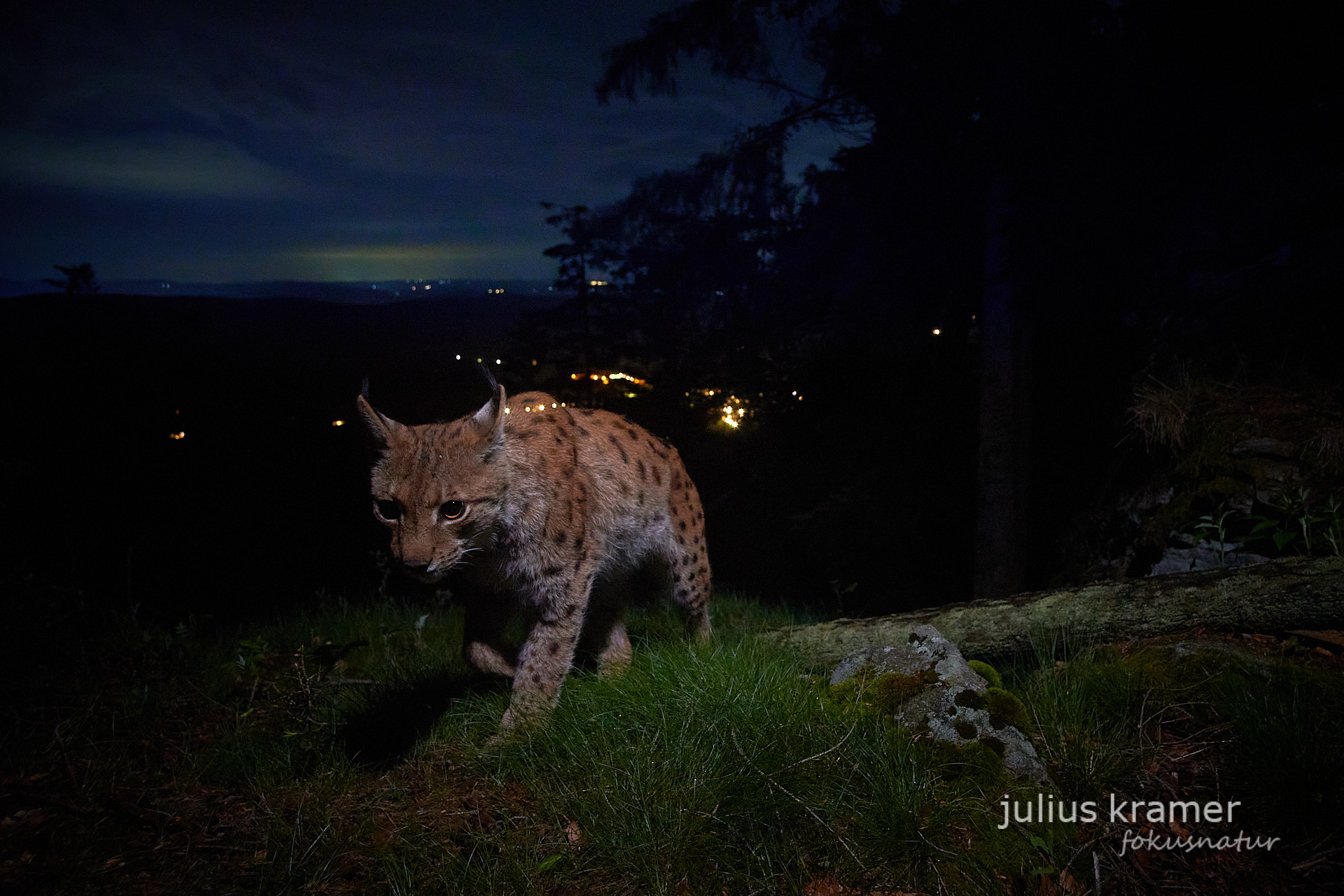
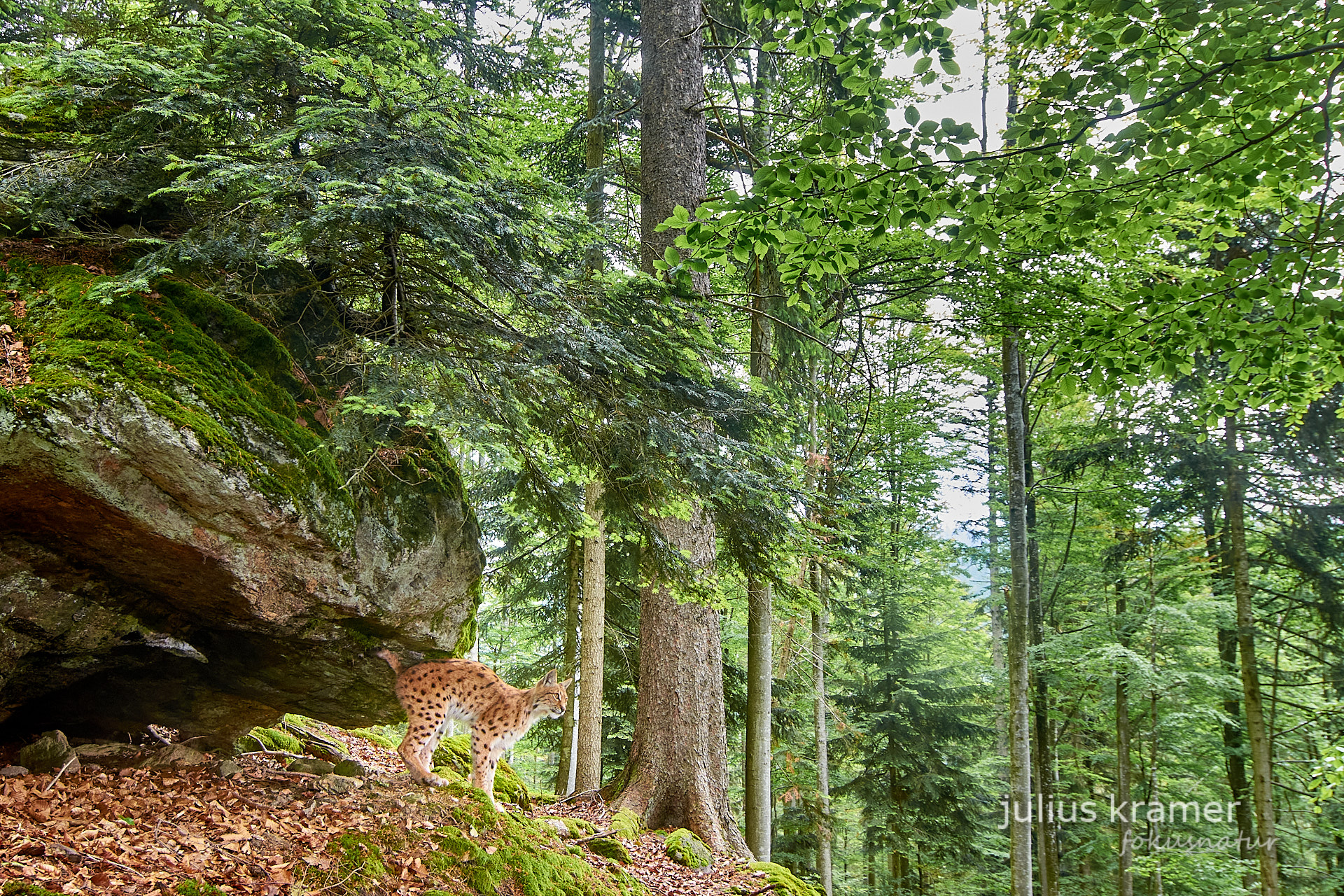
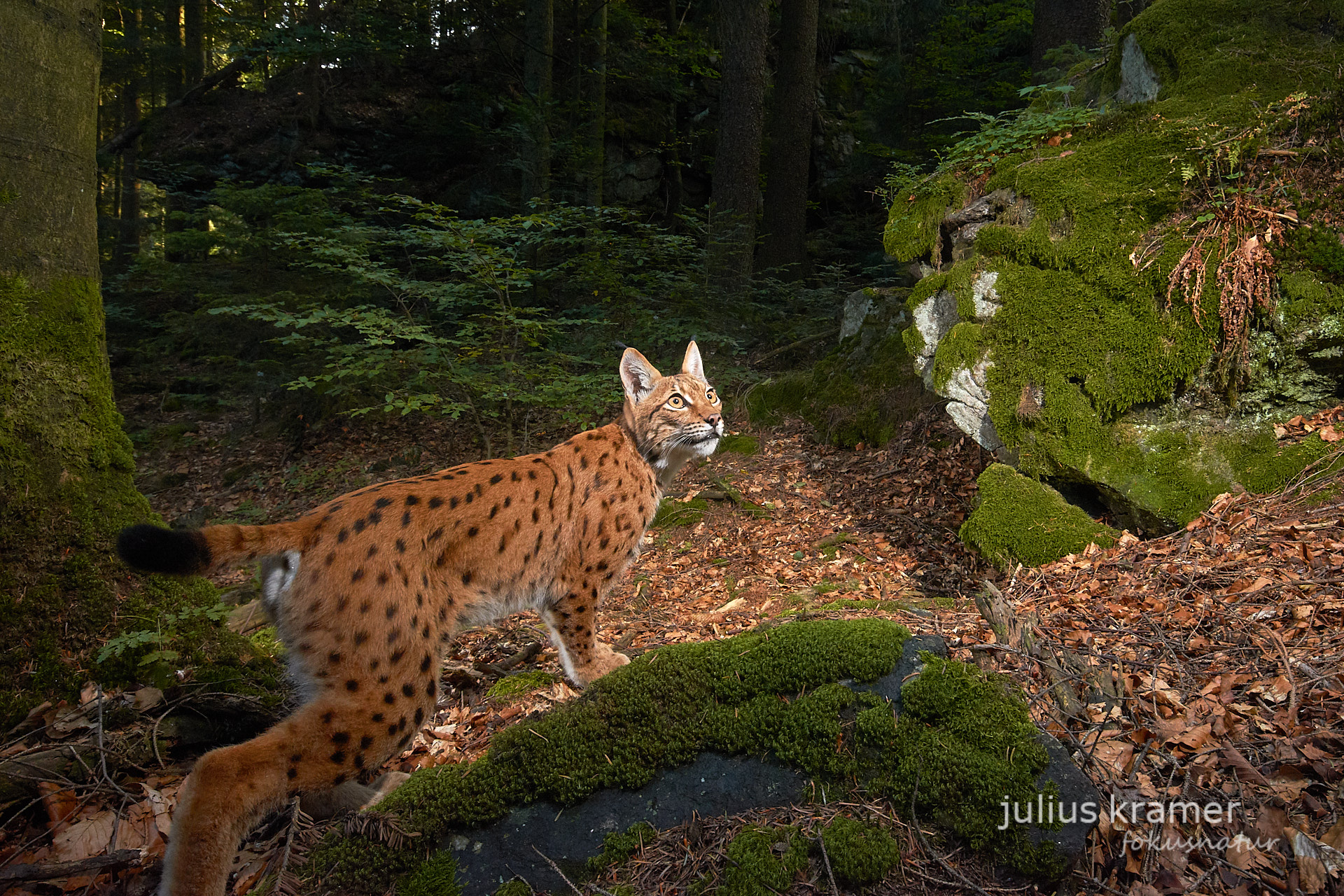
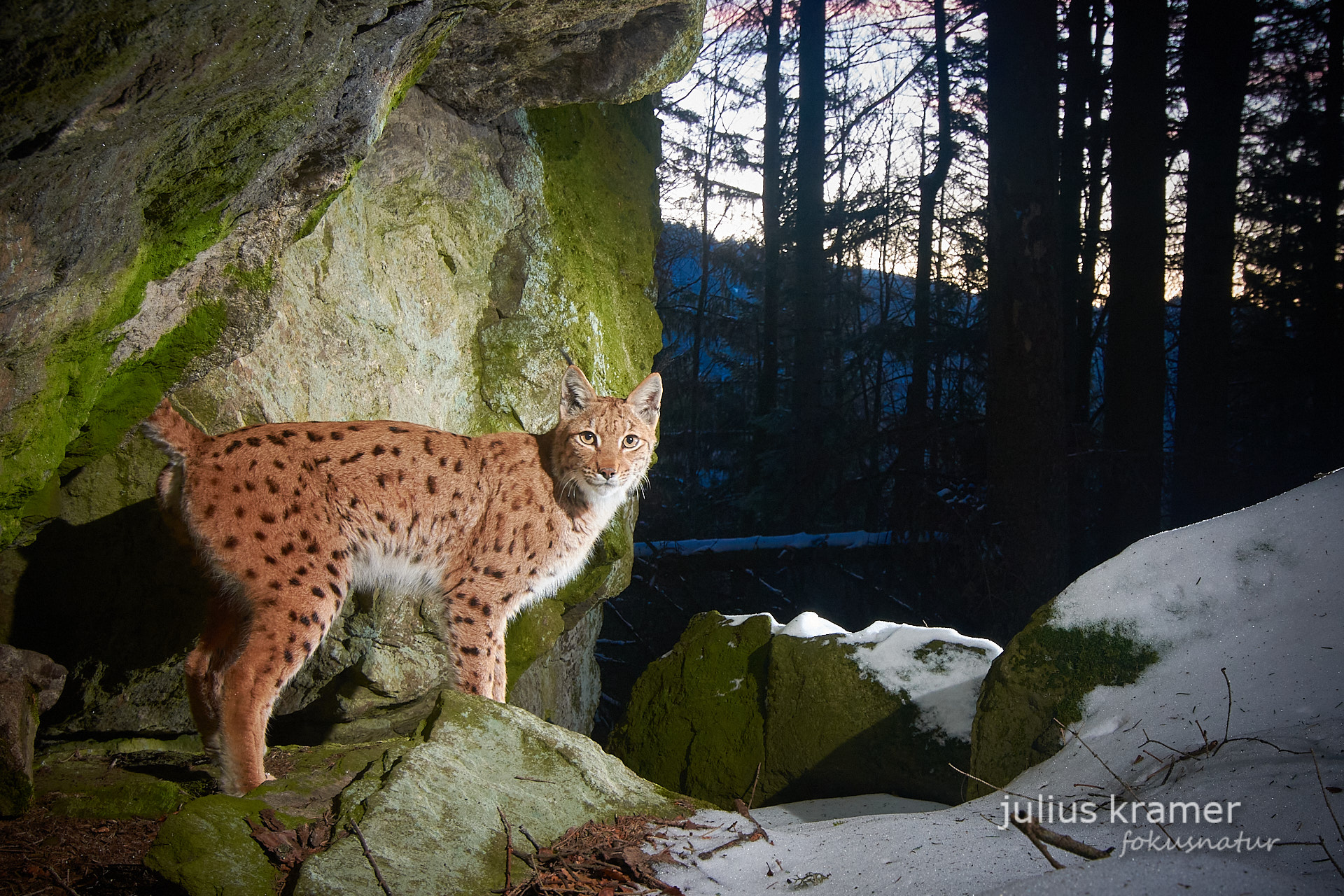
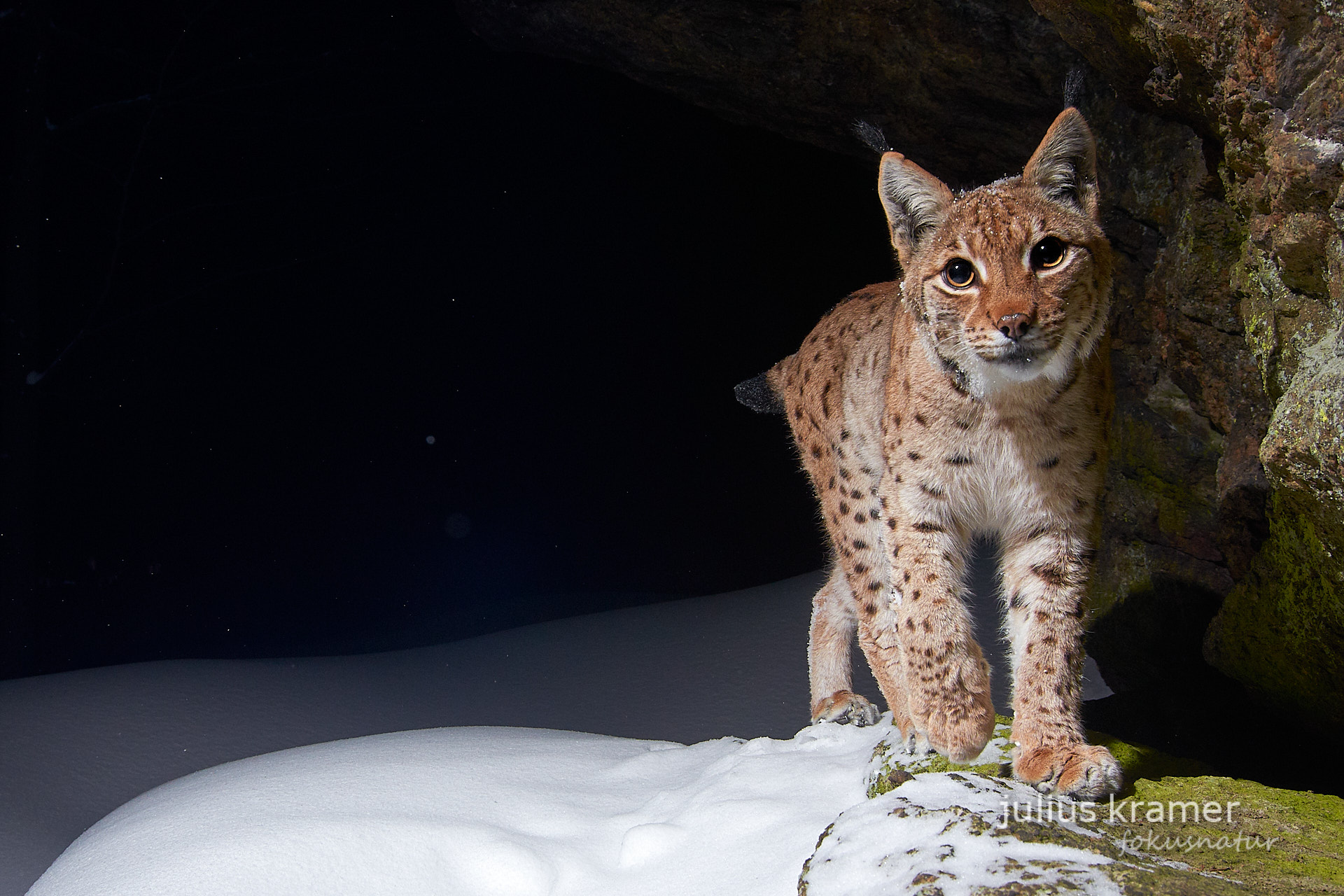
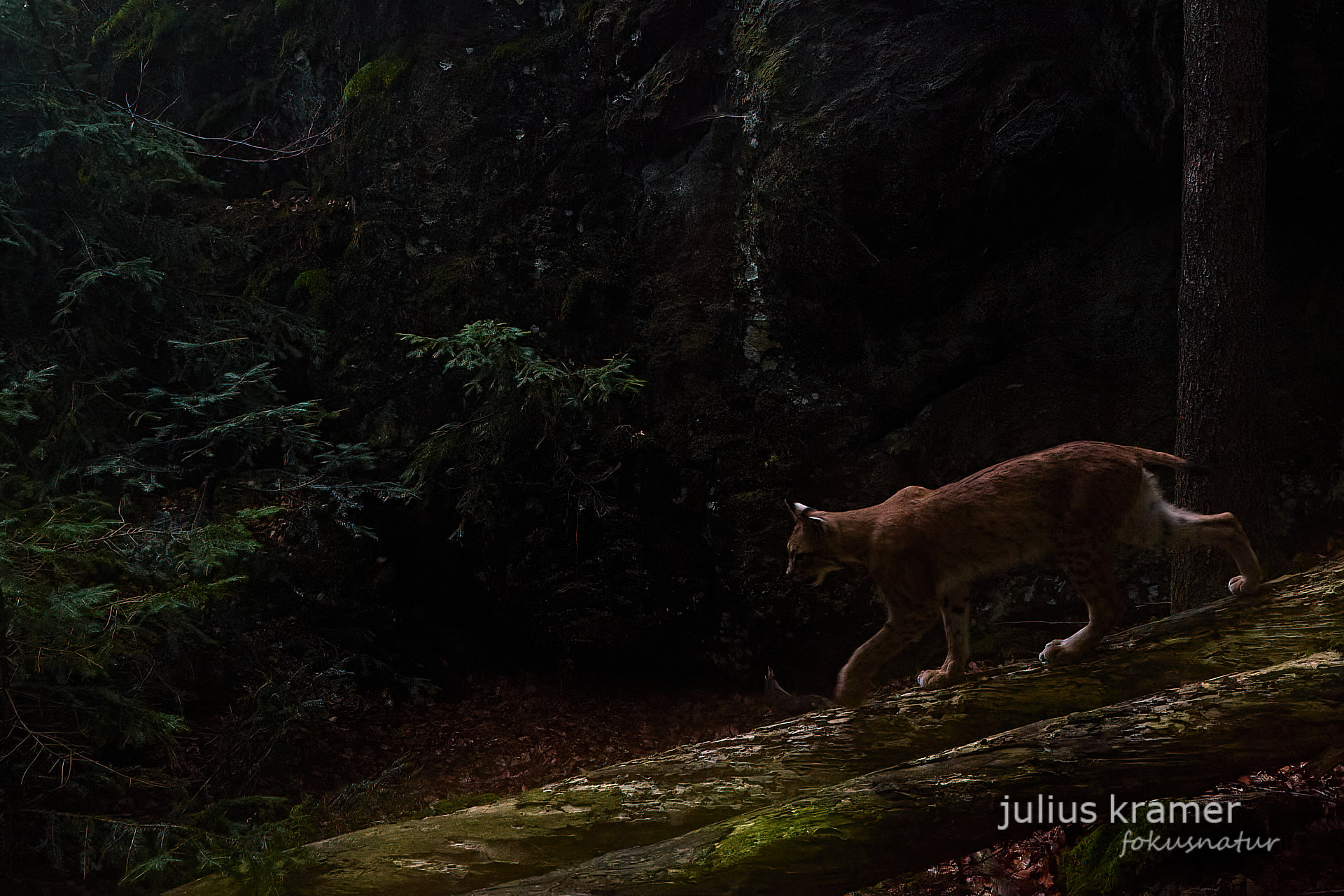
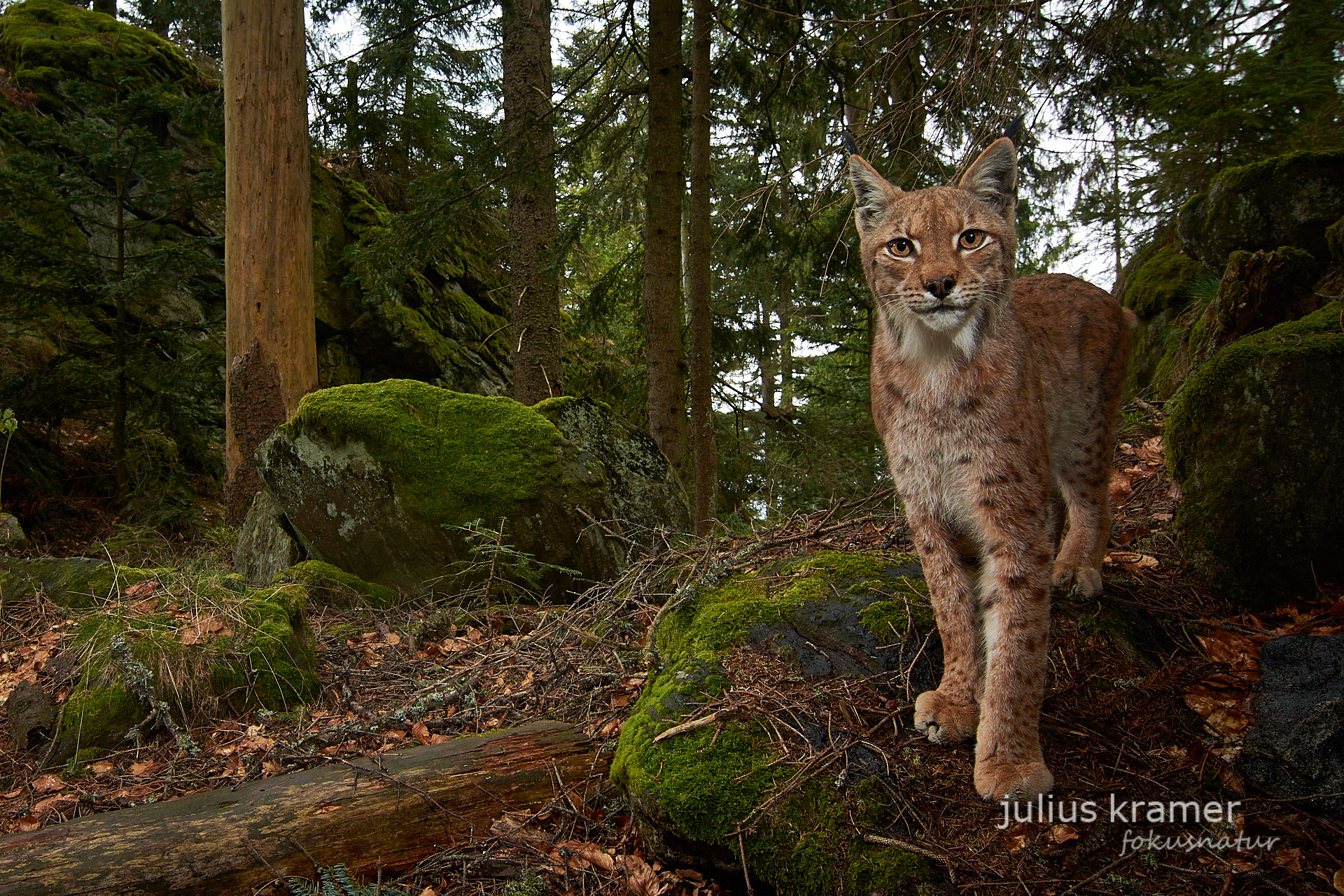
A Eurasian lynx roams the moss-covered forest floor — an apex predator, yet rarely seen.
Lynx Photography in the Bavarian Forest
In collaboration with the Bavarian Lynx Project, I began exploring possibilities in the Upper Bavarian Forest for photographing lynx with DSLR camera traps. Lynx have large territories ranging from 150 km² to 400 km² — females slightly smaller than males. A male's territory often overlaps several female territories. Nevertheless, the chance of encountering a lynx by chance is correspondingly low. It's a bit like looking for a needle in a haystack.
After the extinction of the lynx in the Bavarian Forest in 1846 and only isolated sightings of migrating individuals, between five and ten animals were released in the region in the 1970s. In 1987, 17 lynx officially followed in the Czech Republic, forming the basis of today's population. Meanwhile, around 40 independent lynx are once again roaming Bavaria — from Waldmünchen to Passau. A large proportion are cross-border animals between Germany and the Czech Republic.
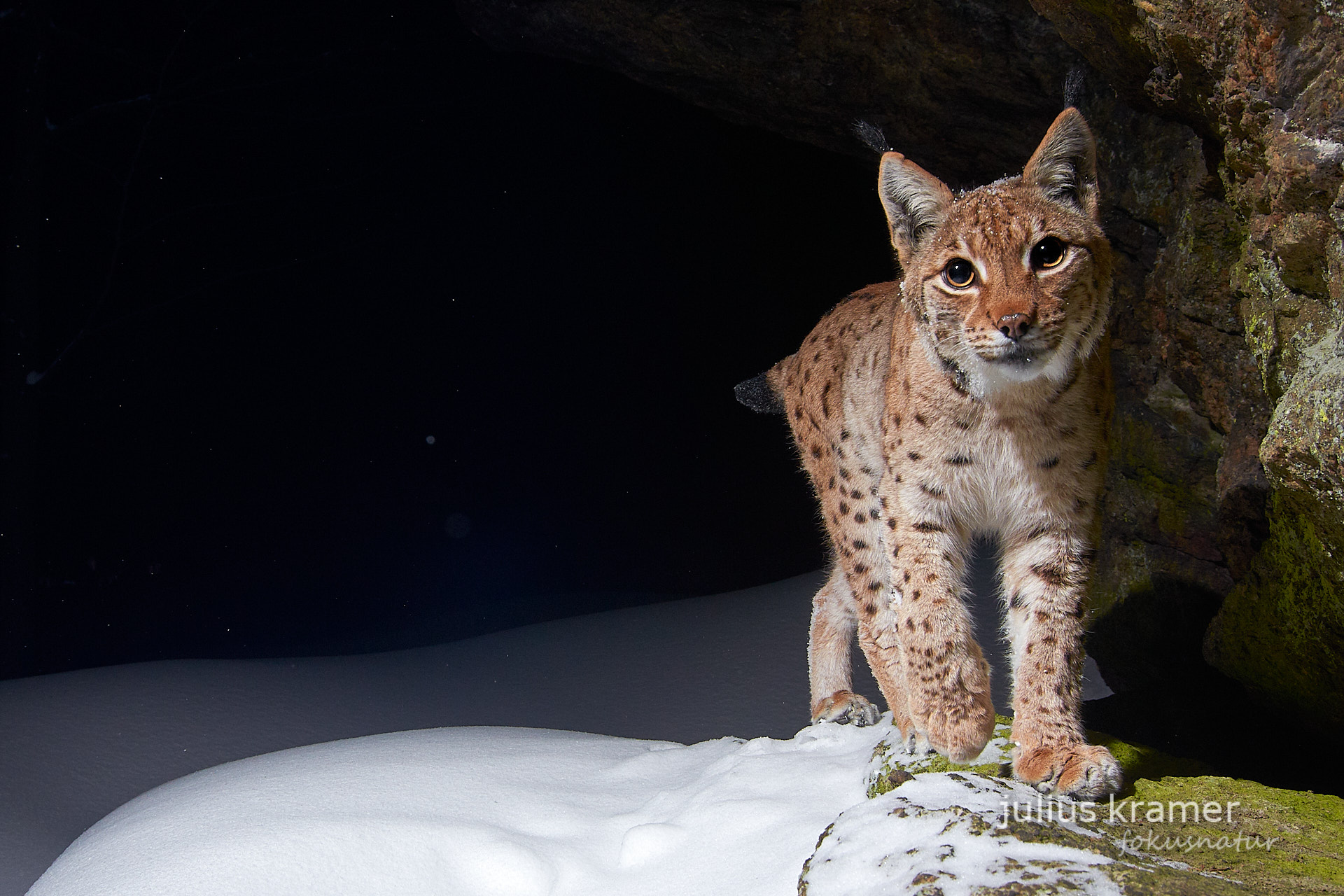
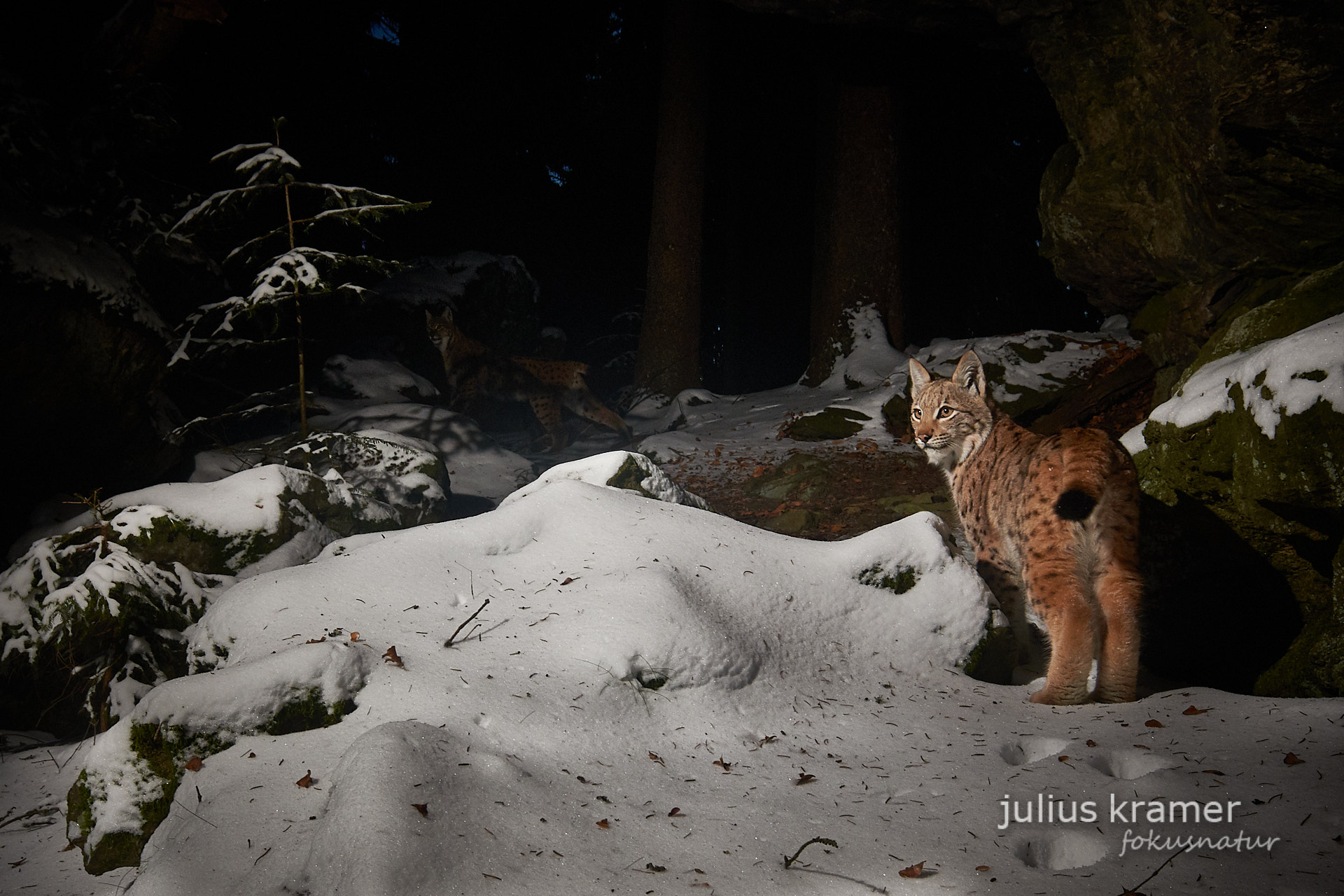
The Bavarian Lynx Project has been conducting camera trap monitoring for many years to record the lynx population development and distribution. Each lynx can be individually identified by its fur pattern. In winter, tracks are also documented to gain further evidence.
Working with DSLR Camera Traps
Working with camera traps requires a significant investment of time to find the right locations. Lynx are comfortable and prefer to move along forest paths and logging roads. However, photographing there is neither beautiful nor safe — a DSLR camera in a box quickly attracts unwanted attention, not to mention countless false triggers from bicycles, dogs, and hikers.
My cameras are placed in very inaccessible rocky areas. I deliberately avoid sitting in a blind — the risk of influencing the animals as a human is too great for me. In places where lynx leave their scent marks, with a lot of patience, it is possible to capture images of this typical feline behavior.
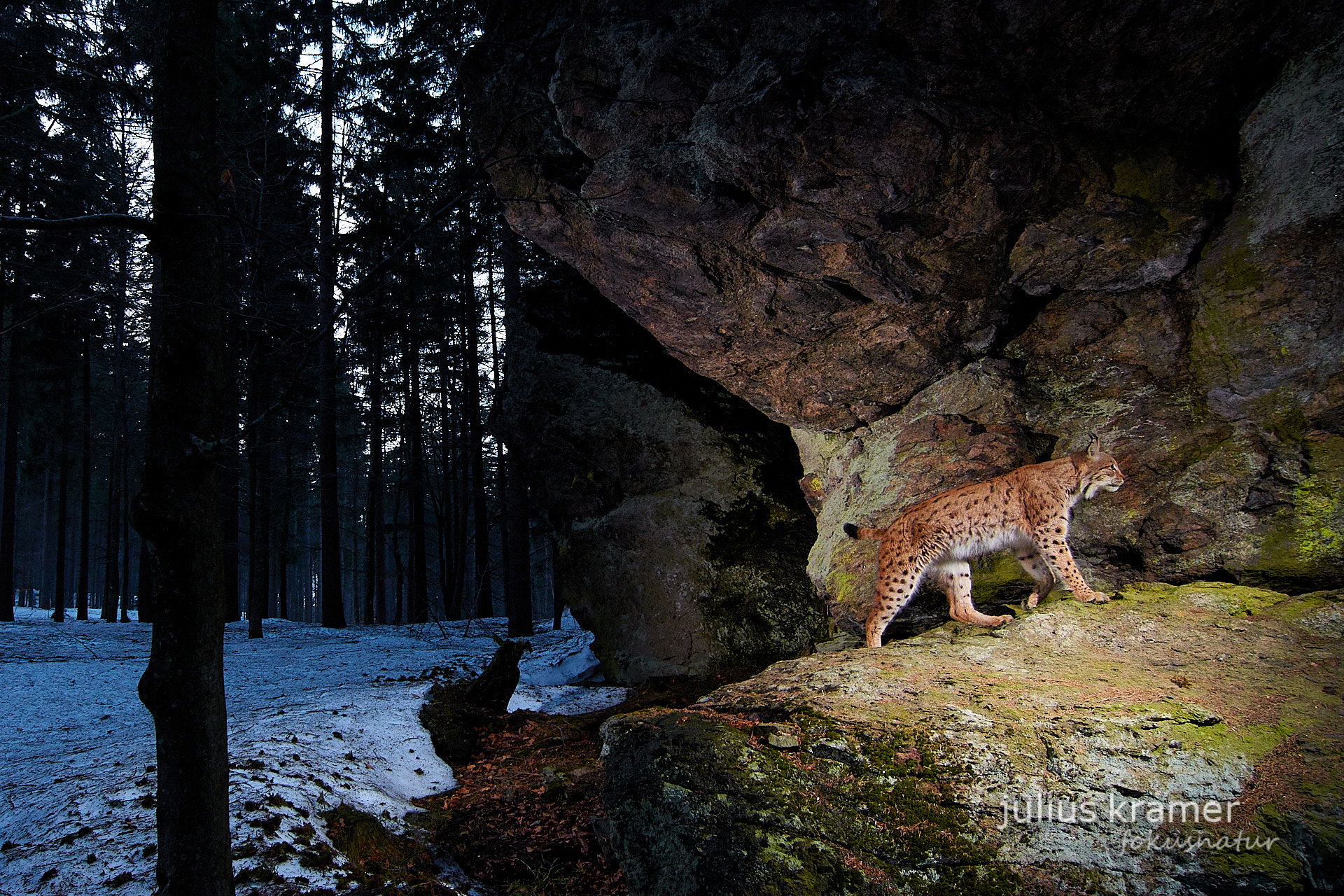
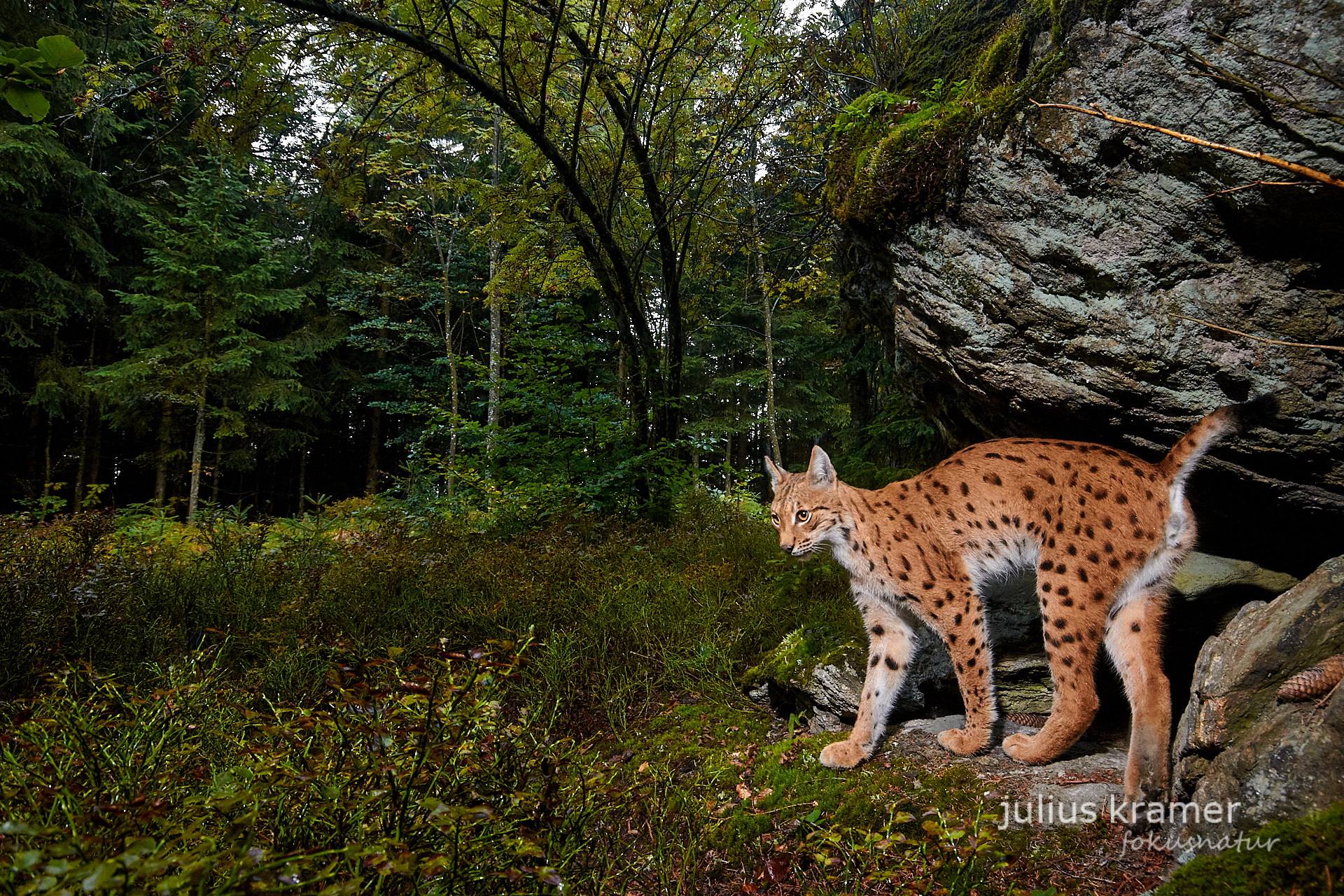
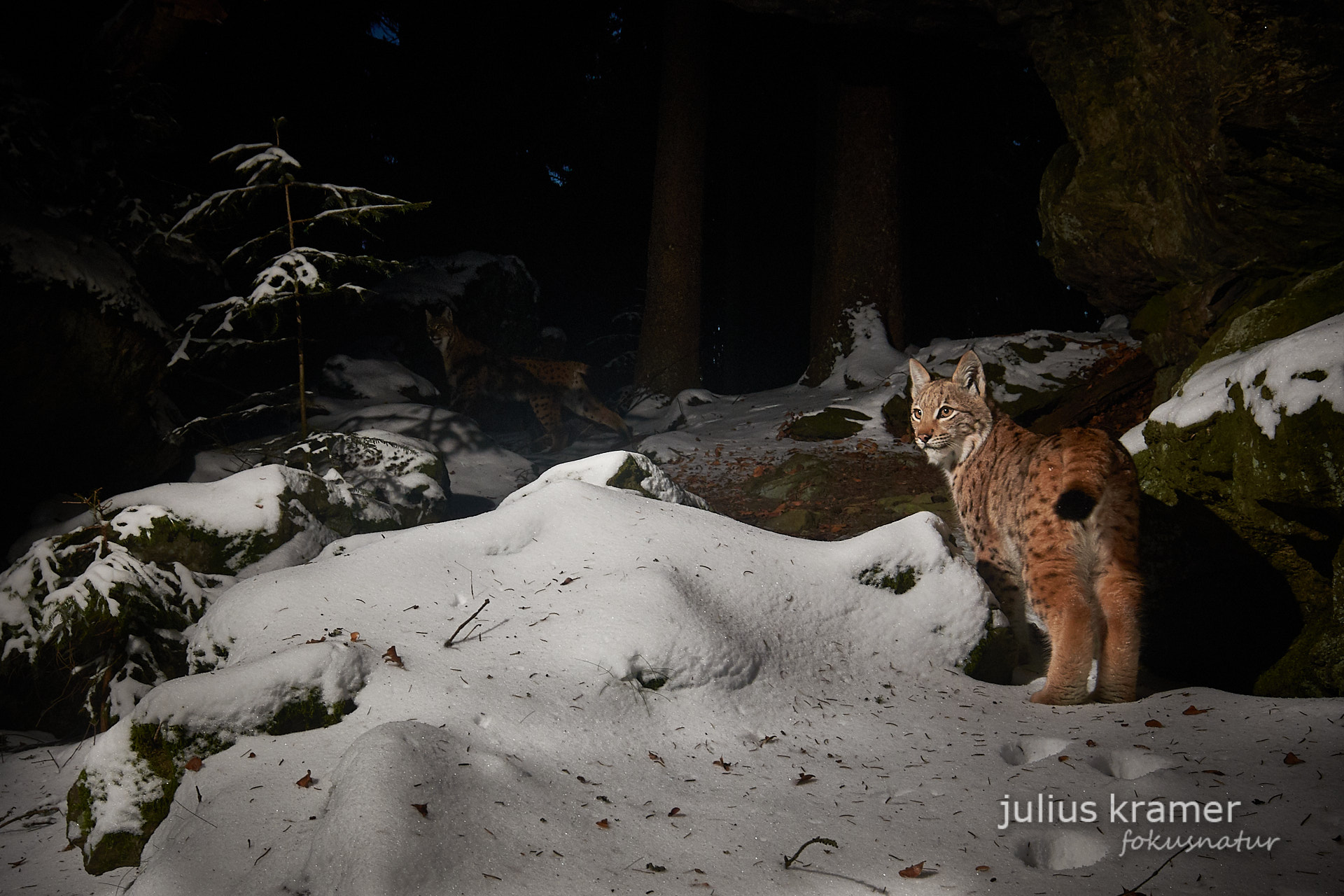
Rocky, inaccessible locations disturb the animals the least — and provide the most impressive images.
Nevertheless, lynx are not very shy — on several occasions, an animal must have been in the immediate vicinity of my camera. Every now and then, I leave the camera, and only half an hour later, a lynx inspects what the human has been doing there. Unfortunately, this naivety often proves fatal for the animals.
In addition to lynx, the camera trap naturally captures all kinds of bycatch: from garden dormice and edible dormice, weasels and raccoons to wild boar and roe deer—everything the fauna of the Bavarian Forest has to offer. Fascinating: time and again, a lynx can be seen in the same spot.
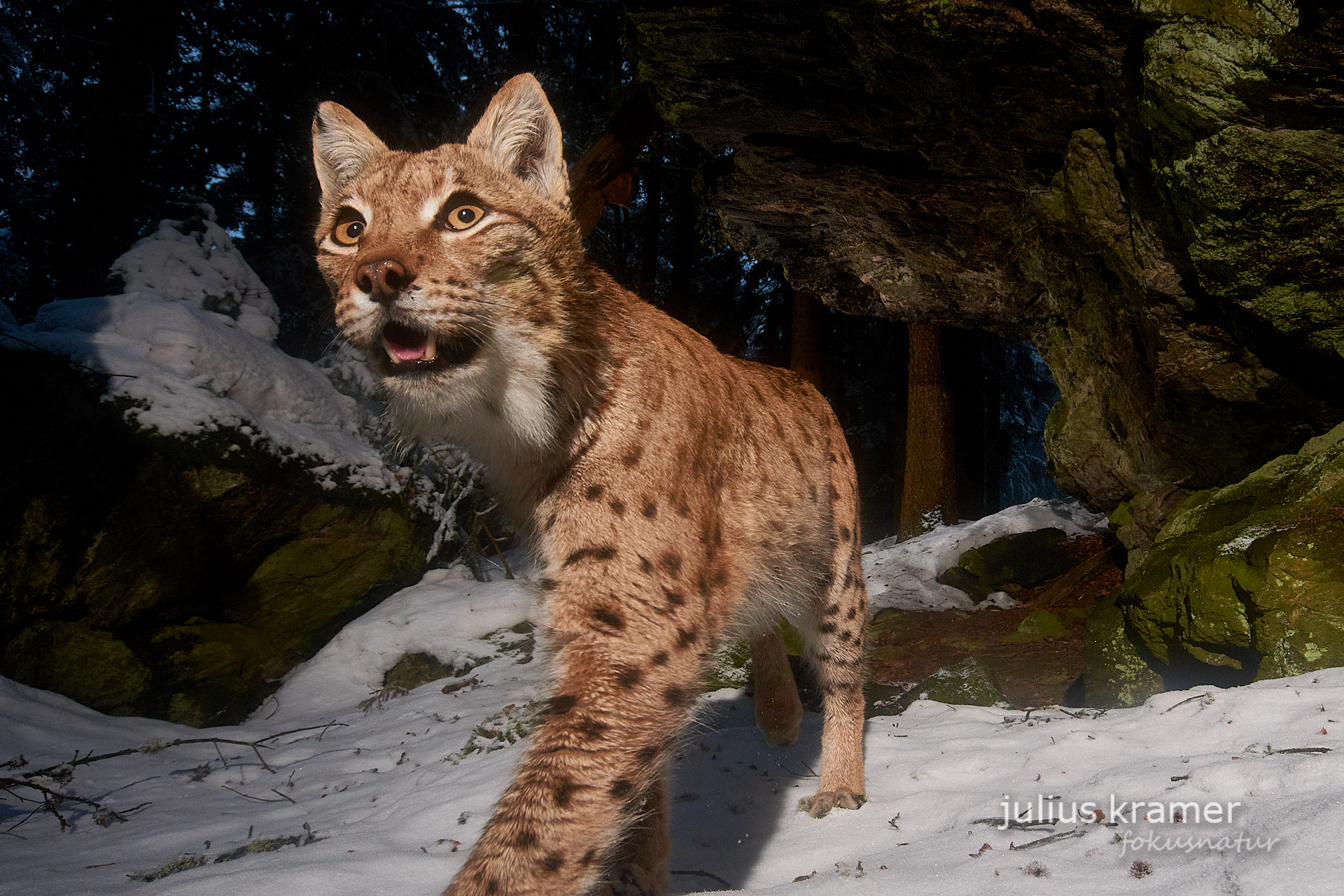
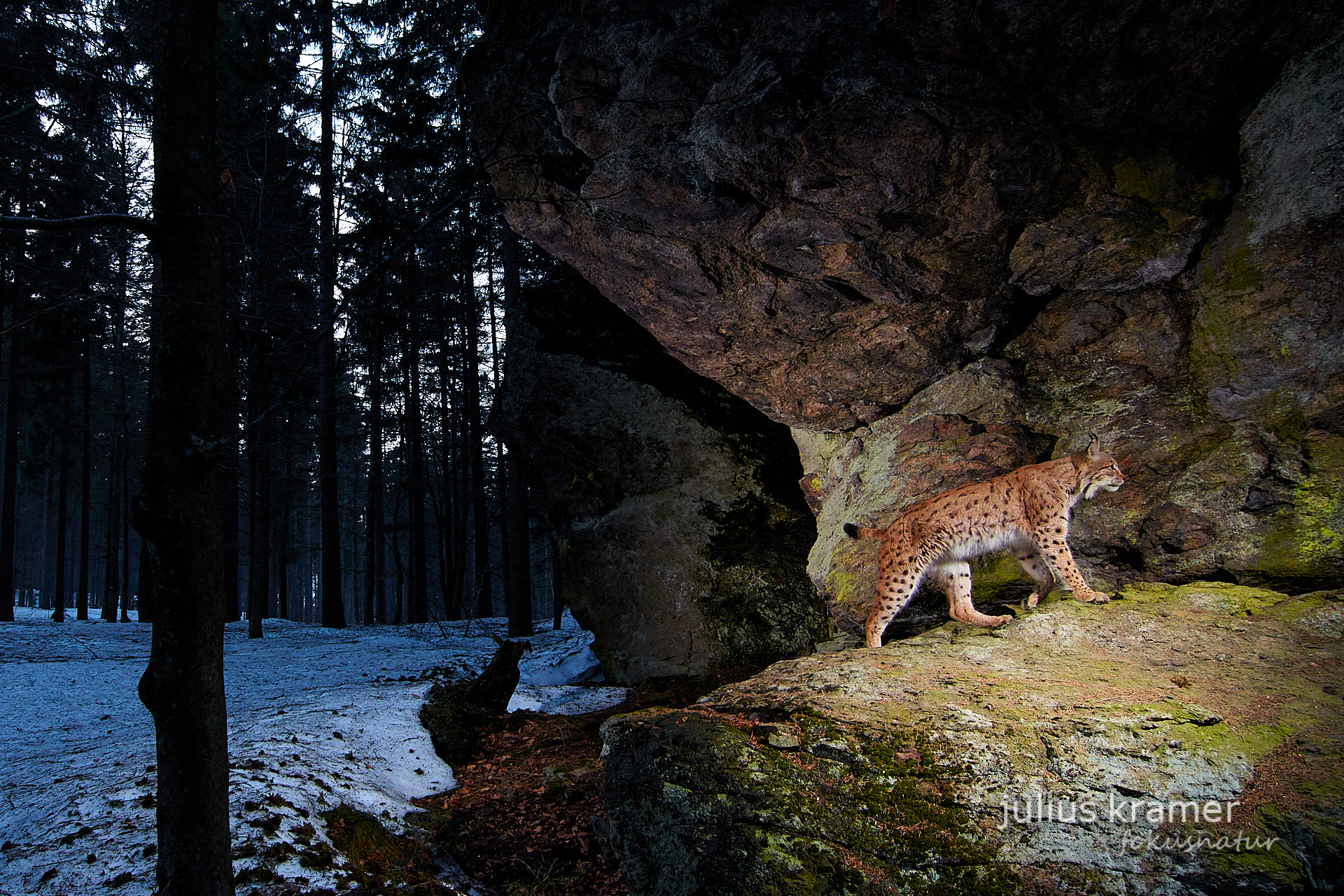
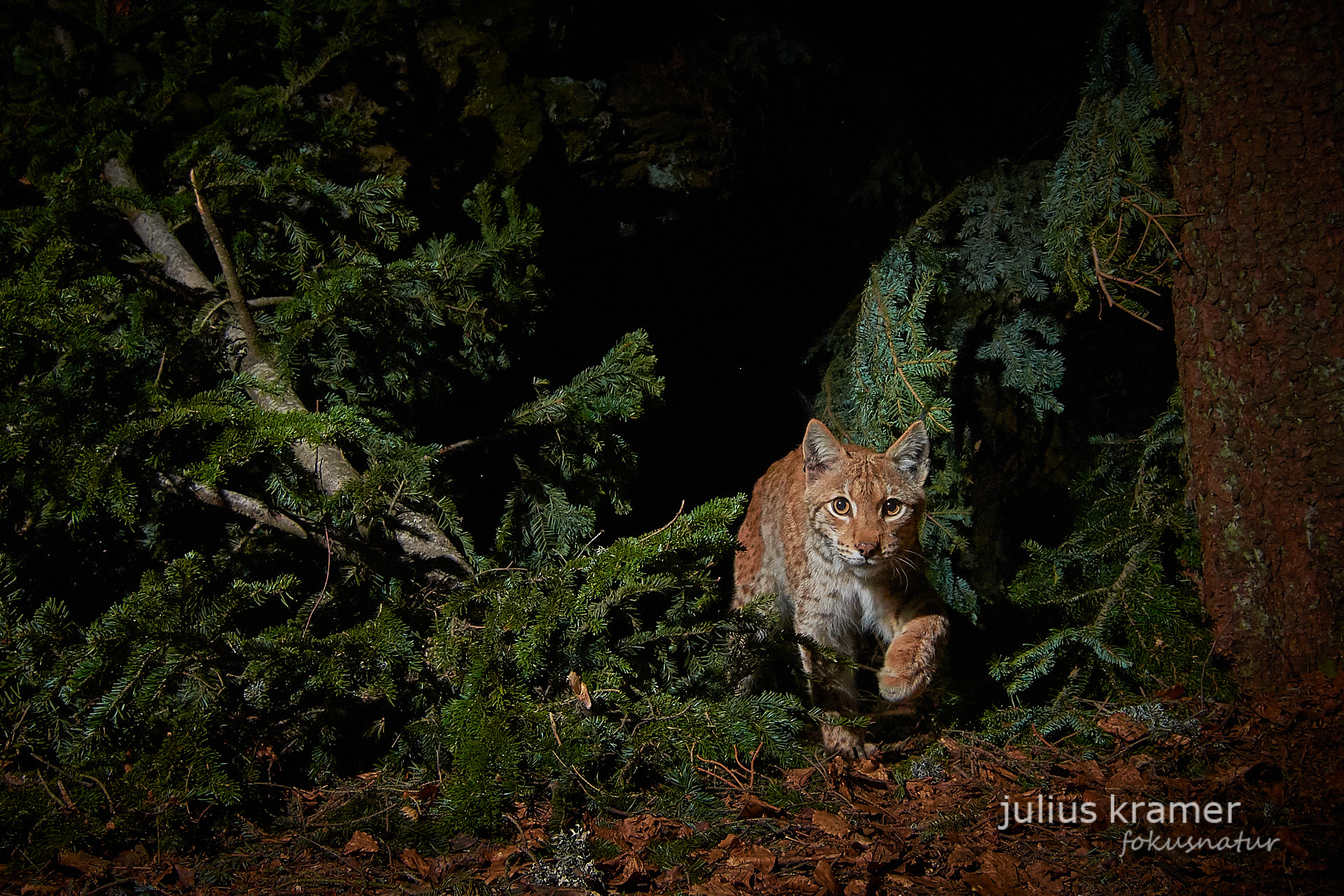
Images from Lynx Country
A selection from over a decade of camera trap photography.
Read more

Reportage · Scandinavia
When the Sun Doesn't Sleep — The Wilderness of Scandinavia

Species Protection · Germany
Hidden Life — Amphibians & Reptiles on Our Doorstep
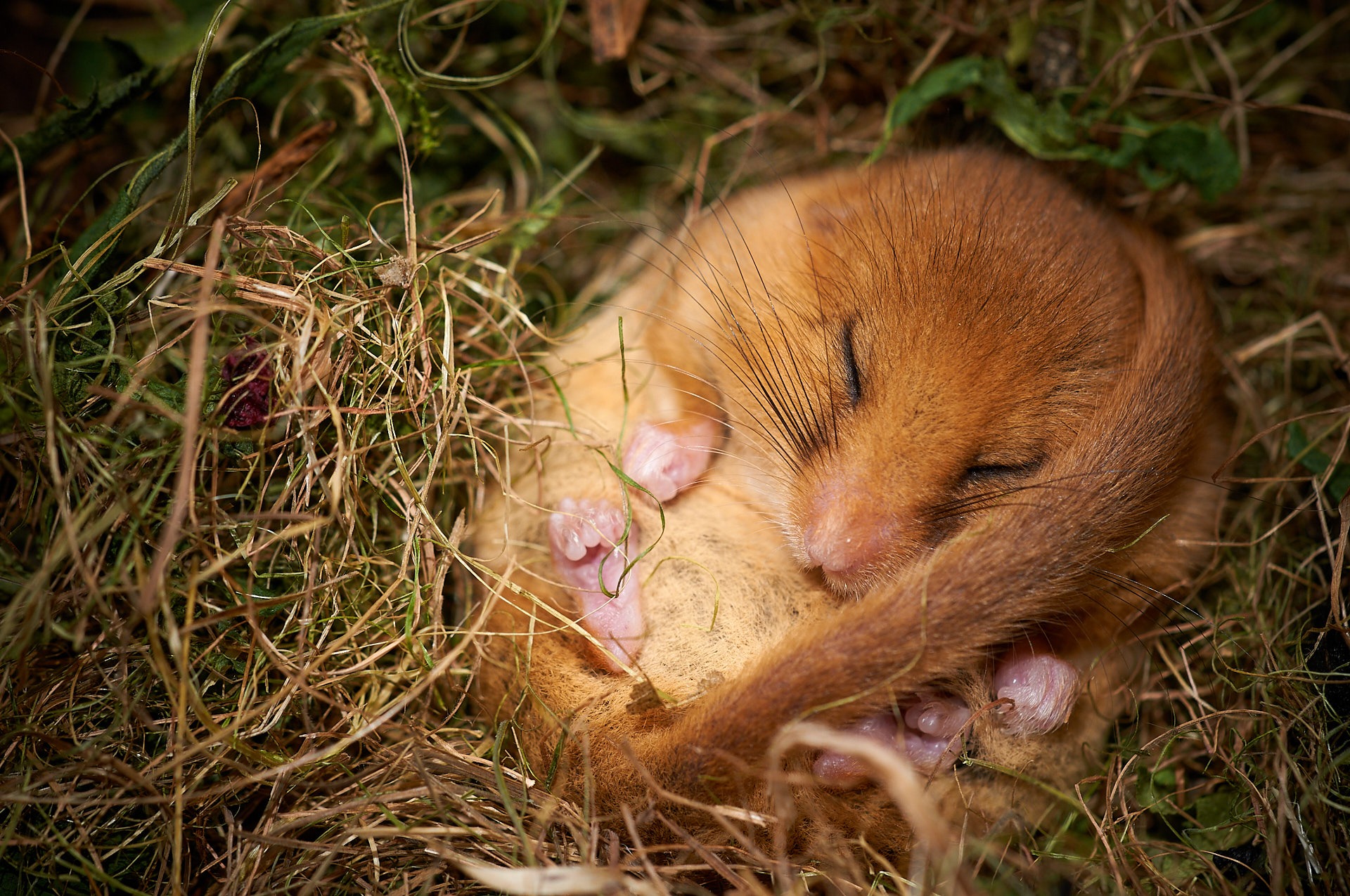
Photo Project · Bavaria
Bavaria's Original Inhabitants — Small, Wild, and Forgotten
Don't miss another adventure
Come outside with me.
The wilderness awaits.
Sign up for the newsletter and regularly receive new photo projects, image stories, and tips from nature photography — directly in your inbox.