

Nature photography in Munich
The Nature Photography Year in Munich and Bavaria
What to capture and when, month by month, compiled from my posts. Each entry leads to the article with full details.
For rare and nesting species, the rule always applies: keep your distance; the animal's welfare comes before the image.
January and February
Waterfowl and Winter Guests
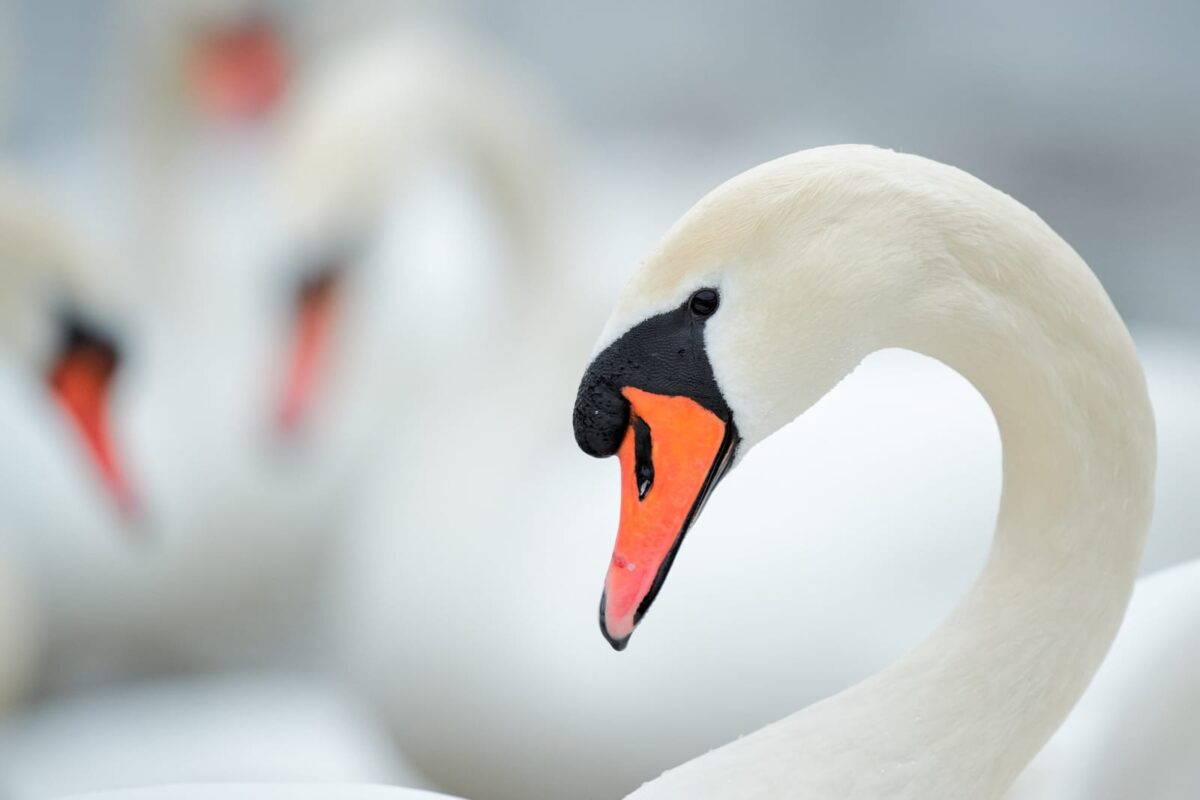
Isarauen at the Flaucher. The ice-free areas on the Isar attract waterfowl: Mute Swans, Greylag Geese, Mallards, and Black-headed Gulls, often in large flocks towards the Tierparkbrücke. Additionally, there are winter guests from the north. Learn more: Winter birds around Munich.
Tawny Owls. They can be observed in Munich all year round, but they are easiest to spot in winter without foliage. Munich's Tawny Owls.
Bavarian Forest Animal Enclosures. Not wildlife, but enclosures; however, in the snow, they provide an excellent training ground for light and exposure. 5 tips for winter photography in animal enclosures.
March and April
Amphibians, Pasqueflowers, Returnees
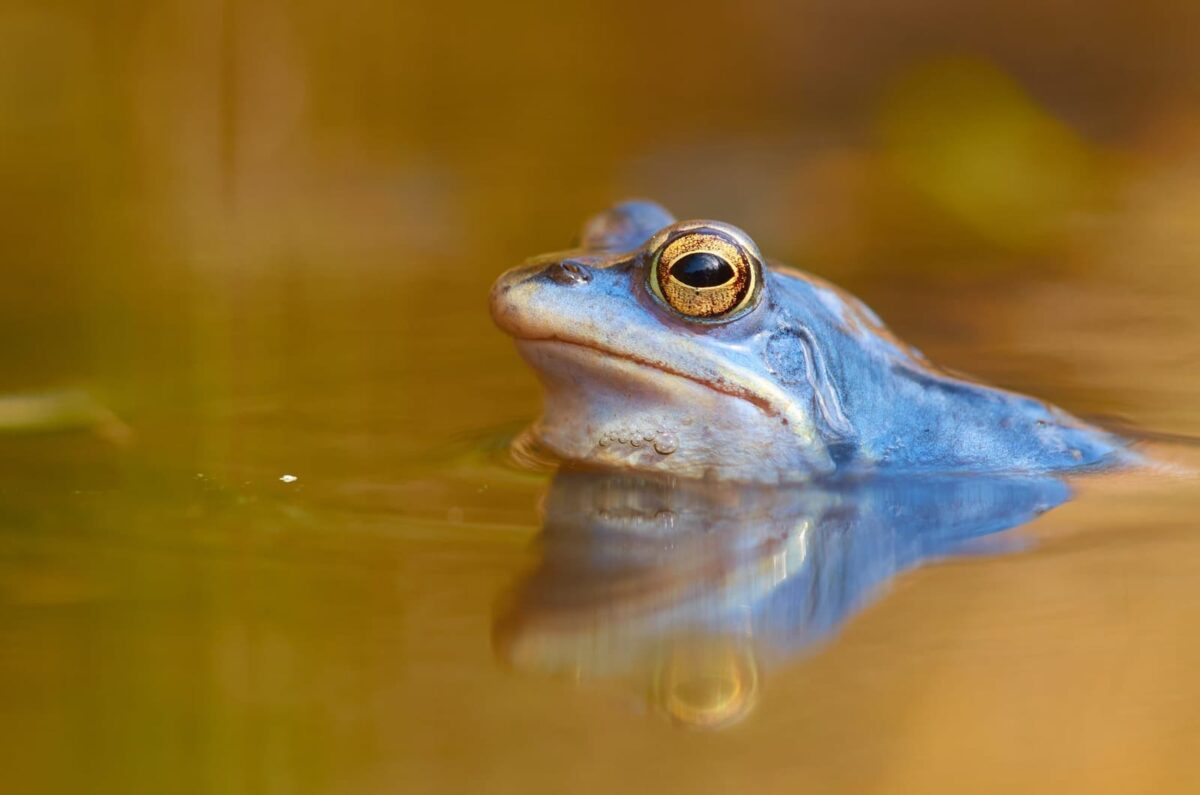
Amphibian migration. In March, during weather that is anything but fair. The male Moor Frogs turn sky blue for only a few days in March or April. My date in the spring mud.
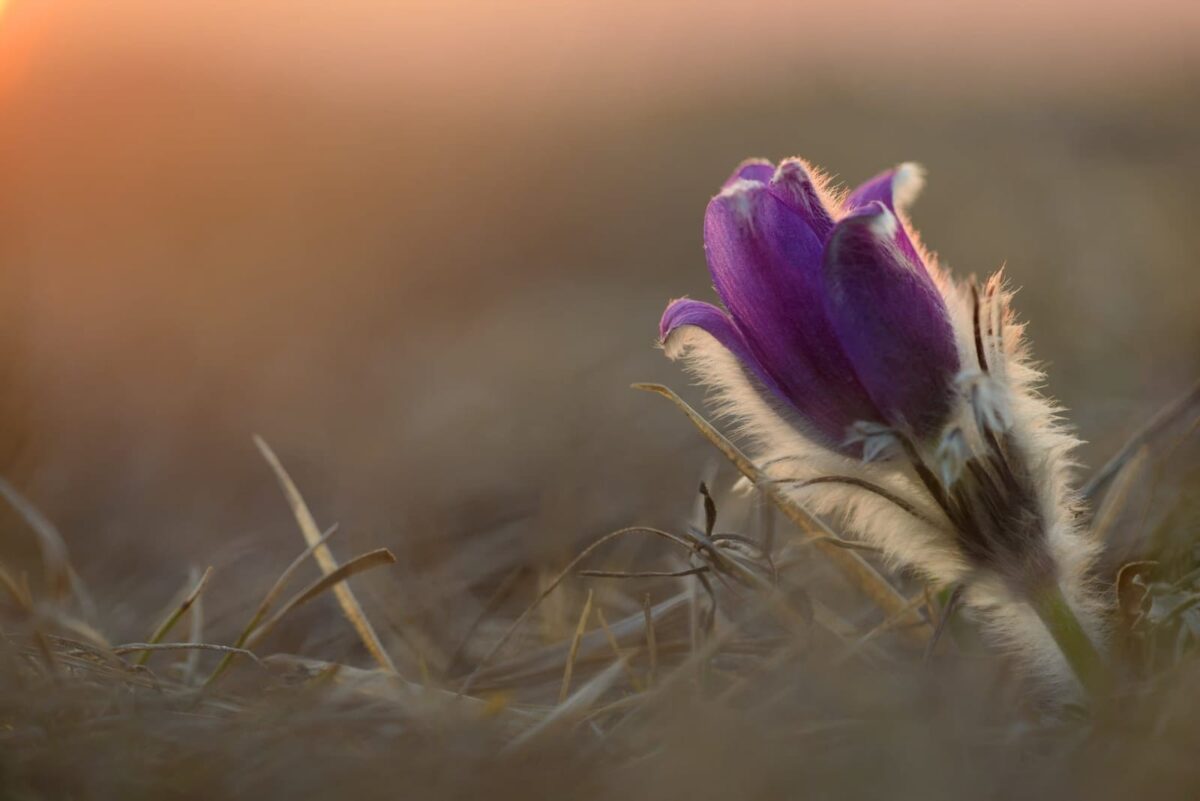
Pasqueflowers in the Garchinger Heide. In spring, they bloom in bright violet, a destination for macro photographers. 5 nature photography spots in Munich.
Black-necked Grebes. They return starting in early April, and the breeding season usually begins in April. Especially then: keep your distance. Photographing Black-necked Grebes.
Altmühlsee. Courtship and breeding in spring, along with migrants that only rest briefly. Secret spots in Germany.
May to August
Breeding Season and Summer Light
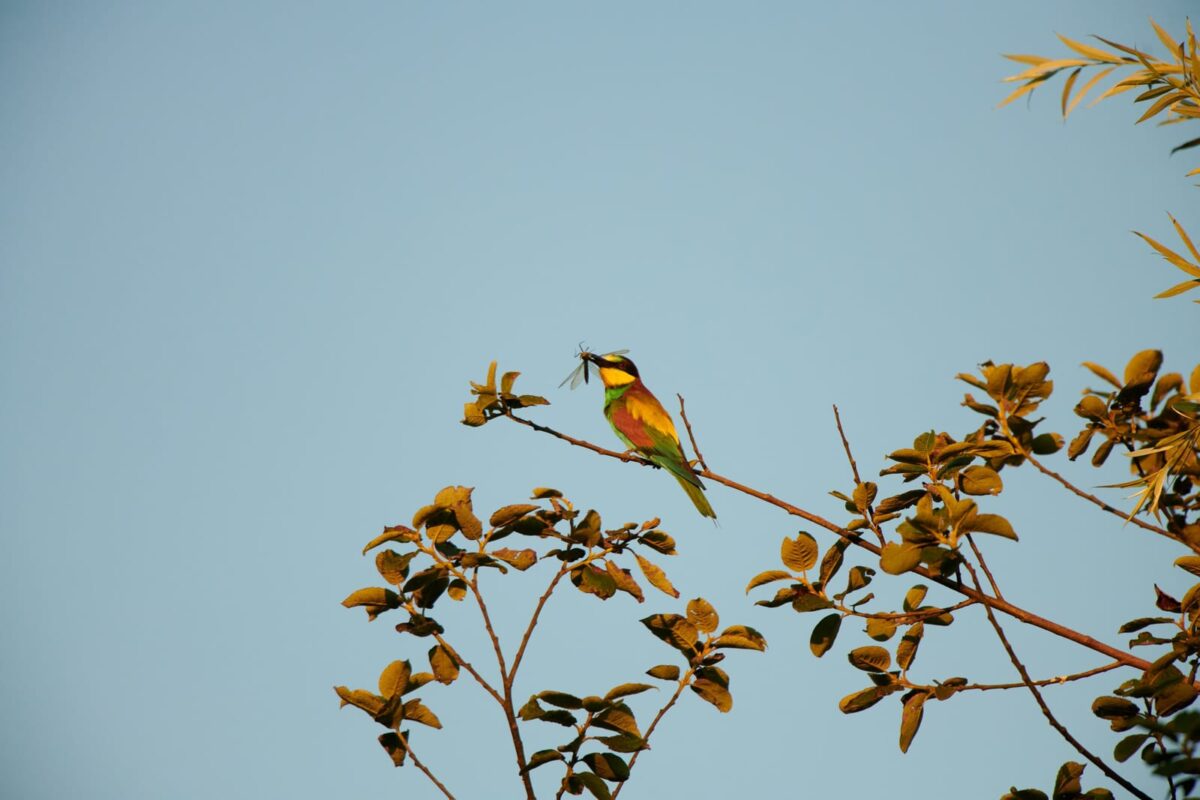
Bee-eaters on the Danube. On an early July day with a tripod on the riverbank. Bee-eaters are rare in Bavaria, so only with distance or a permit. The return of the Bee-eater.
Flaucher in spring and early summer. In spring, over a hundred swans often gather; later, it is busy when the young arrive. Nature photography at the Flaucher.
September and October
Bearded Reedlings and Autumn Forest
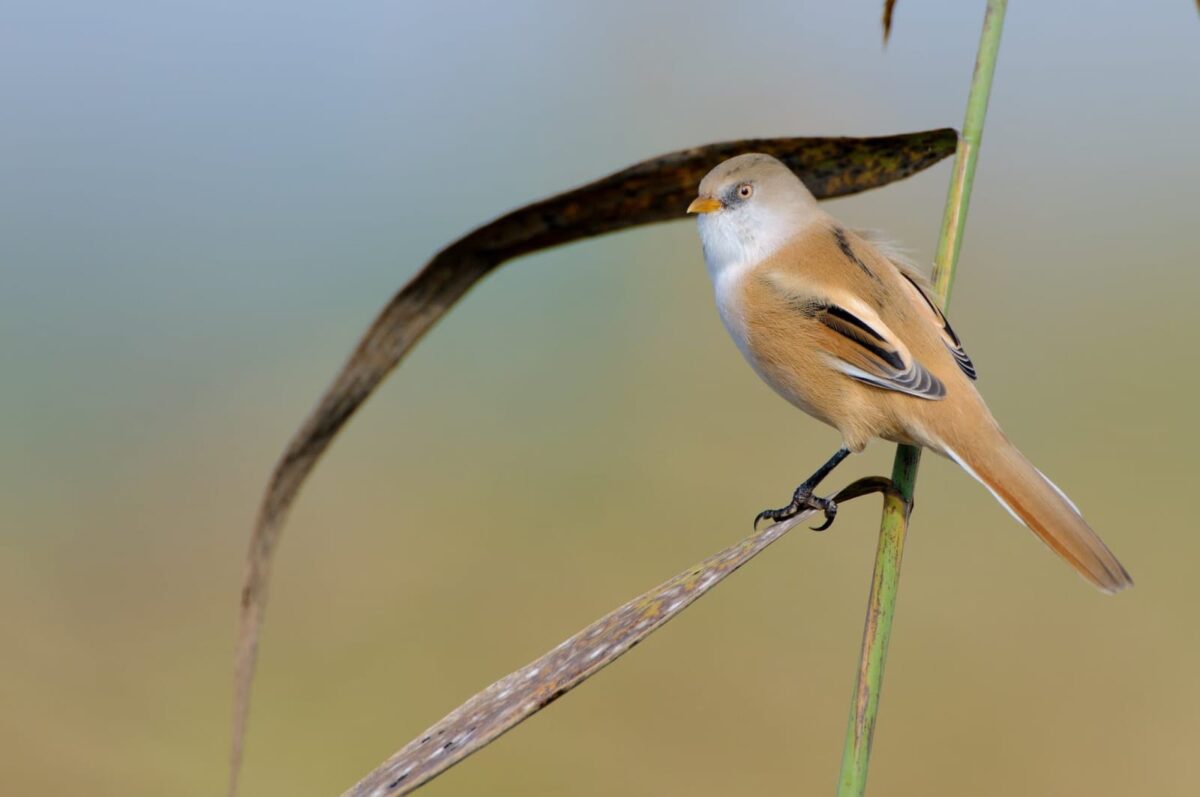
Bearded Reedlings at the Federsee. In autumn, they switch from insects to reed seeds, best between September and October. Secret spots in Germany.
Autumn forest in the Bavarian Forest. In October, the sun shines diagonally between the trunks all afternoon. Backlighting on the forest floor only occurs when the sun is low enough. Autumn photography: which light works when.
November and December
Short Light, Fog, Hair Ice
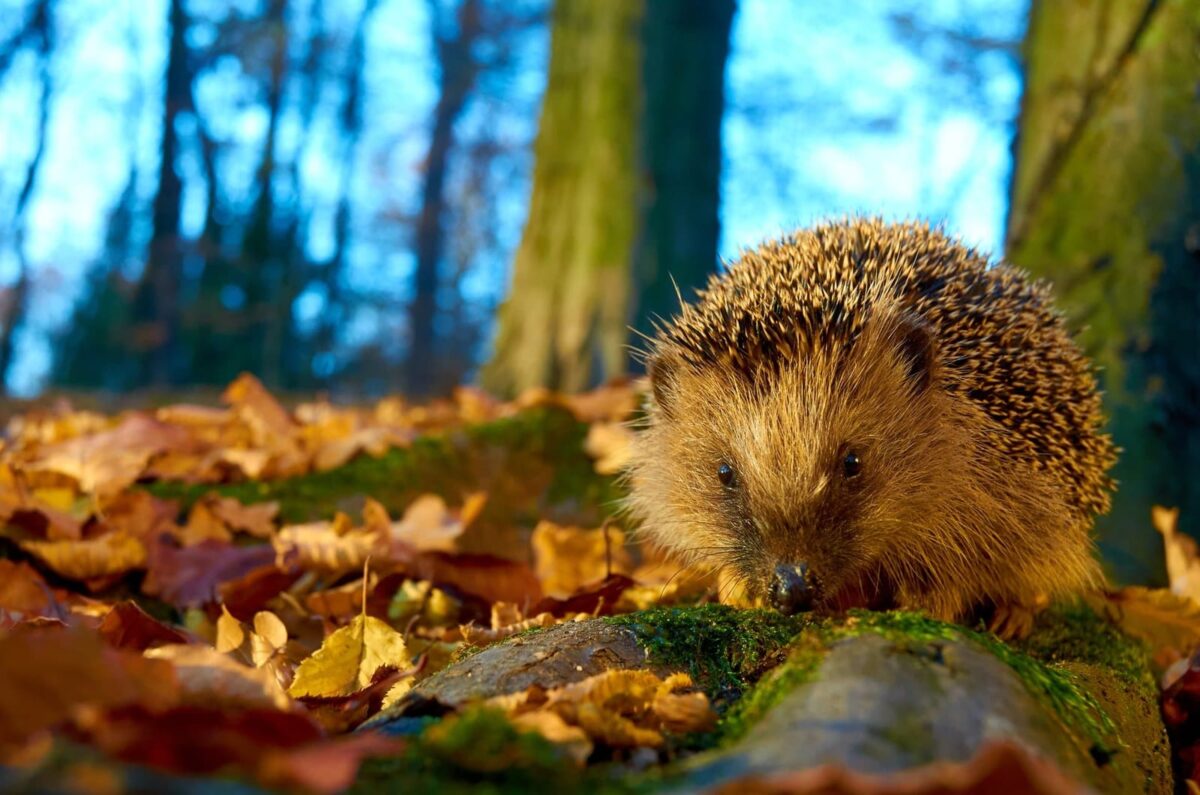
November afternoons. After four o'clock, the light is gone, and with it the color in the foliage. If you want to photograph close to the ground in the last light, you have to be early. Autumn photography in the forest.
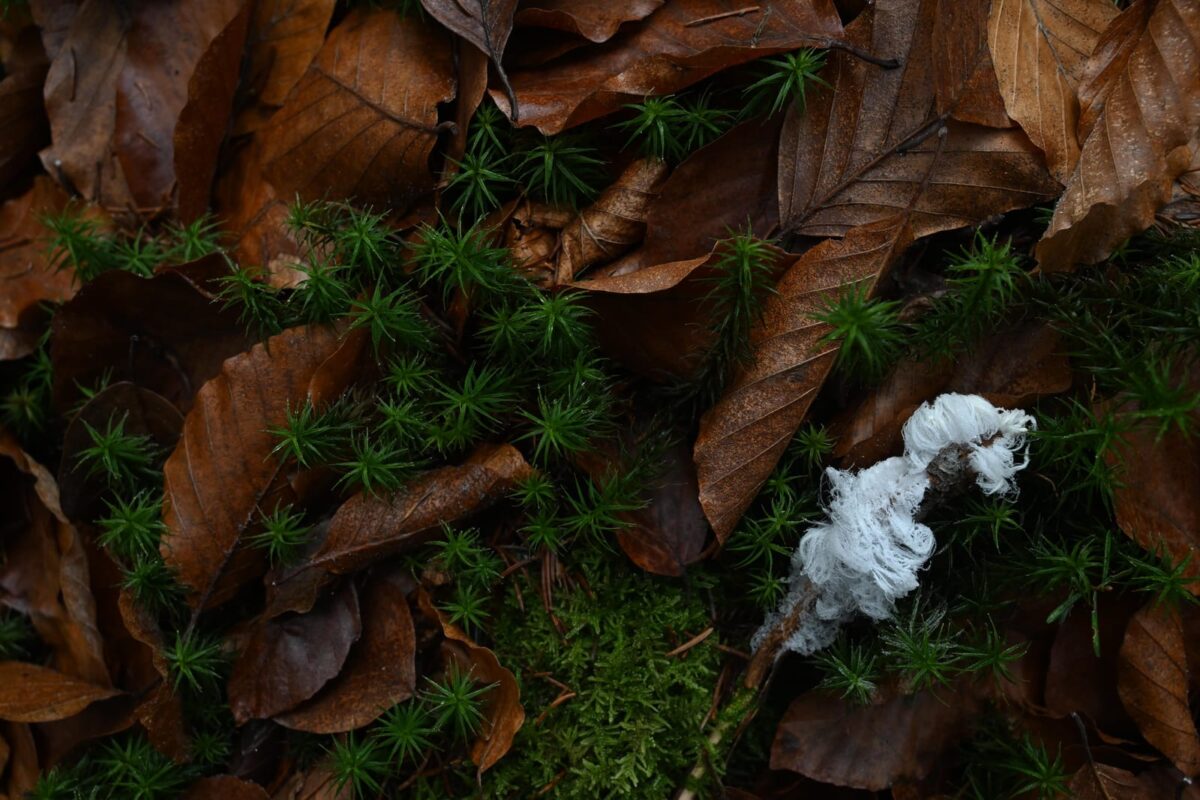
Hair ice in the Bavarian Forest. On damp, cold December mornings at around 800 meters, on the forest floor between moss and deadwood. Hair ice in the fog.
Swans at the Flaucher. In winter, Munich is a few degrees warmer than the surrounding area, which attracts many animals to the city. A photo visit to the swans.
Free eBook
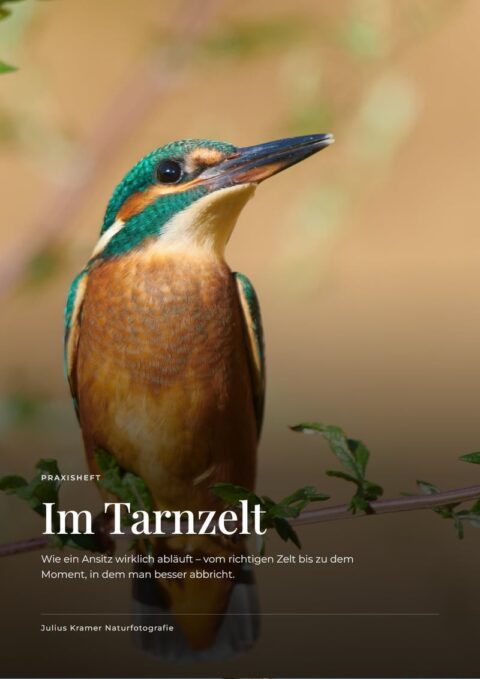
In the Hide
13 pages on how a hide session really works: which tent for which spot, when to go in and come out, and when it's better to call it quits. Includes a printable packing and checklist. Get it when you sign up for the newsletter.
Free · delivered right after sign-up