

The fascinating world of wildlife photography faces a serious dilemma: while we want to create stunning wildlife images, our planet's wildlife is already under threat from all sides - from climate change, habitat loss, poaching and hunting.
"A fed animal is a dead animal" - this drastic sentence illustrates the serious consequences of irresponsible wildlife photography. Unfortunately, feeding animals for the 'perfect' photo has now become common practice.
One basic principle should always come first in ethical wildlife photography: The welfare of the animal always comes before the photo. The best wildlife photographers have mastered the art of getting close enough while maintaining a respectful distance.
In this article, I'll show you how to take stunning wildlife photos without disturbing or endangering the animals. After all, such images can do more than just inspire - they create an emotional connection between the viewer and the subject and contribute to nature conservation by raising awareness for the protection of our wildlife.
What wildlife photography with respect means
Respectful wildlife photography is fundamentally different from other areas of photography because it carries a special responsibility. Unlike landscape or portrait photography, we are dealing with living creatures that can perceive our presence as a threat.
Understanding wild animals as sentient beings
Wild animals are not mere photographic subjects or resources for our images - they are sentient beings with their own emotions and needs. In fact, they have a wide range of emotional capacities, complex family structures, communication systems and survival mechanisms. Compassion, appreciation and respect should therefore be at the heart of all wildlife photography.
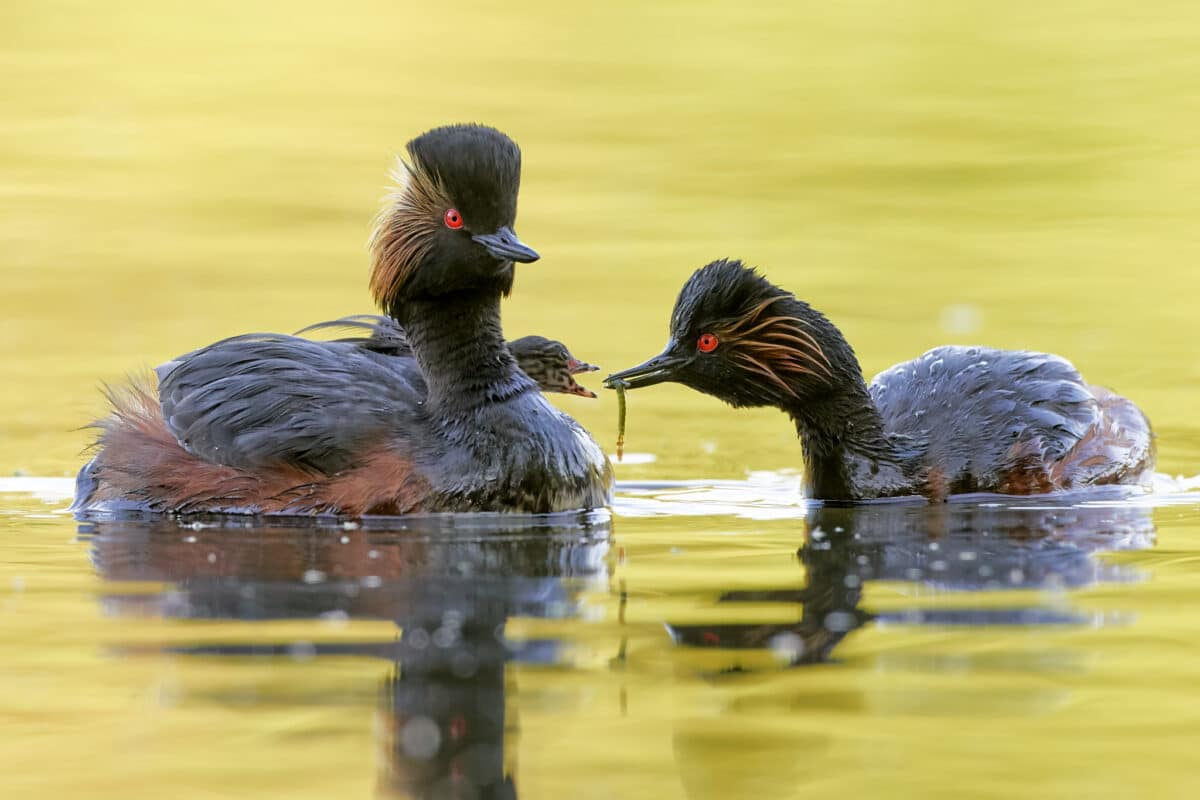
Wild animals fight for survival every day - they have to protect themselves from predators, find food, build shelter and raise their offspring. Our intervention as photographers can make this already challenging daily life even more difficult. The portrayal of wild animals on social media also often contributes to misconceptions. Exaggeratedly tame or overweight animals poison our awareness of how wild animals really look and behave.
The role of the photographer as a guest in nature
As wildlife photographers, we are guests in a habitat that existed long before we arrived and will remain after we leave. This perspective is crucial to an ethical approach. The habitat in which we photograph is the animal's home - we are merely visitors.
Nature photographers are also eyewitnesses to climate change and can use their images to literally show society the upheavals associated with it. However, this privilege comes with a great responsibility. Our presence should not leave a lasting negative impact.
Ethical principles of wildlife photography
The organization"Nature First" has formulated seven central principles for ethical nature photography:
The well-being of nature always comes before photography
Find out in advance about the locations where you will be taking photos
Think about the effects of your actions
Be discreet and do not share geographical data lightly
Know and follow local rules and regulations
Follow the "Leave No Trace" principles
Educate others and spread these principles further
Particularly important: Look out for signs of stress in your subject. If an animal changes its behavior - for example, stops eating, turns around repeatedly or makes warning calls - you are too close and should back away. In such cases, it is better to leave the area and give the animal space to calm down again.
The authenticity of the images also plays a central role in ethical wildlife photography. Image manipulation undermines trust in photography as a means of communication. Therefore, unconditional respect for the subjects and a fundamental authenticity of the work is of great importance to many photographers and their audience.
Wildlife photography with respect therefore means always putting the animal's well-being above the photo. The most impressive animal images are created through patience and respect - not through manipulation or disruption of natural behavior.

Fototouren & Workshops
Komm mit raus.
Gemeinsam verfeinern wir deine fotografischen Fähigkeiten — in kleinen Gruppen, mitten in der Wildnis. Sichere dir deinen Platz und entdecke die Magie von Licht und Natur neu.
Kleine Gruppen · 20+ Jahre Erfahrung
How to prepare yourself properly
Successful wildlife photography begins long before the camera is triggered for the first time. Thorough preparation is the key to impressive and ethical wildlife photography. The right mix of knowledge, equipment and camouflage technique lays the foundation for exceptional wildlife photography.
Gather knowledge about animal species and behavior
When photographing wildlife, a basic understanding of their behavior is essential. Before I pack my camera, I do extensive research on the animal species I want to photograph. This includes information about their activity times, habitat and typical behaviors. The better I know "my" species, the better my pictures will be.
For special recordings I should know:
Where the animals are
When they are active (day or night)
Your eating habits and times
Social behavior and group structures
Seasonal peculiarities (breeding season, mating season)
It is particularly important to know the rutting and breeding seasons. In winter, many wild animals slow down their metabolism, which means that startling them can be life-threatening. The same applies to the first warm days of the year, when the breeding and settling season takes place. A good wildlife photographer takes the time to observe in order to recognize behavioural patterns and anticipate the perfect moment.
The right equipment for trouble-free recordings
Wildlife photography places the highest demands on equipment. Both the camera and lens must be robust and excellently manufactured in order to function reliably even under the most adverse conditions. Rain, dust, sand and snow are all part of a wildlife photographer's everyday life.
However, successful wildlife photography does not necessarily mean having the most expensive equipment. Rather, it is crucial to master the available equipment perfectly. The quality of the technology is particularly evident in low light conditions in the morning and evening hours, when wild animals are particularly active.
Plan camouflage and inconspicuous behavior
Perfect camouflage is a decisive factor in wildlife photography. Animals that perceive humans as a danger (because they are being hunted, for example) react very quickly to the presence of a nature photographer. This involves three aspects: visual camouflage, acoustic camouflage and olfactory camouflage. The aim is to blend in with the surroundings and not disturb the natural processes.
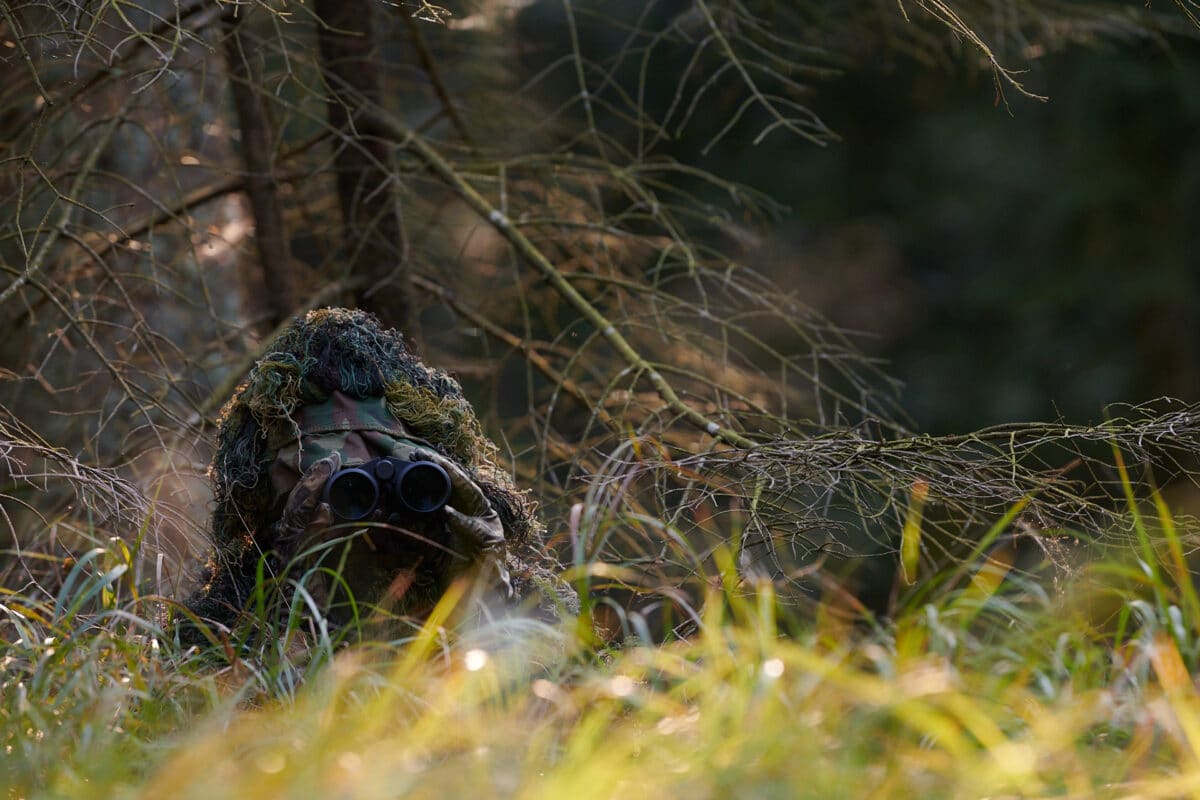
First of all, I should pay attention to appropriate clothing. Camouflage clothing in colors that match the surroundings is the first step. I also use different camouflage methods depending on the situation:
For birds and shy mammals: camouflage tents or camouflage hiding places
For dynamic shots: Camouflage covers/burkas or camouflage nets
For stationary observations: extend natural covers
The wind direction is particularly important. Many wild animals have an excellent sense of smell and can smell people from a great distance. That's why I try to photograph against the wind. I also pay attention to low-noise movements - a cracking branch can be enough to scare an animal away.
Finally, I plan my choice of location carefully. I take into account the position of the sun, the background and potential disruptive factors such as hiking trails. Observing from an appropriate distance with a telephoto lens allows me to capture the animals in their natural behavior without disturbing them.
In the field: how to take photos without disturbing others
The critical moment has arrived: You are standing in the field, the animal in view, the camera ready. This is when you decide whether your wildlife photography will remain respectful or become a nuisance. The art of unobtrusive photography requires more than just technical skill - it demands a deep understanding of the balance between a successful photo and the welfare of the animals.
Fototouren & Workshops
Komm mit raus.
Gemeinsam verfeinern wir deine fotografischen Fähigkeiten — in kleinen Gruppen, mitten in der Wildnis. Sichere dir deinen Platz und entdecke die Magie von Licht und Natur neu.
Kleine Gruppen · 20+ Jahre Erfahrung
Slow down and stay calm
In wildlife photography, patience is not just a virtue, but a necessity. Fast movements and hectic pace immediately trigger flight reflexes in wild animals. That's why I always move slowly and deliberately in the field, almost as if in slow motion. Abrupt movements are to be avoided at all costs, as they frighten animals and drive them away.
Silence is just as important. Conversations do not belong in the field when photographing wildlife - there's time for that another time. Unfortunately, many people behave "like an axe in the forest" in the wild, which neither brings results nor is good for nature. It is better to keep quiet and speak little - even with pets such as dogs, which respond to commands. Constant bossing around makes animals lose interest and they withdraw.
Reading a book and simply waiting often works best - for longer waiting times, I recommend a folding chair and an audio book to make good use of the time.
Do not influence the behavior of animals
The welfare of the animal always comes first. The best photos are always those that show natural behavior - not those in which animals react to external influences or stress. A good rule of thumb is: if your presence changes an animal's behavior, you are too close or too conspicuous.
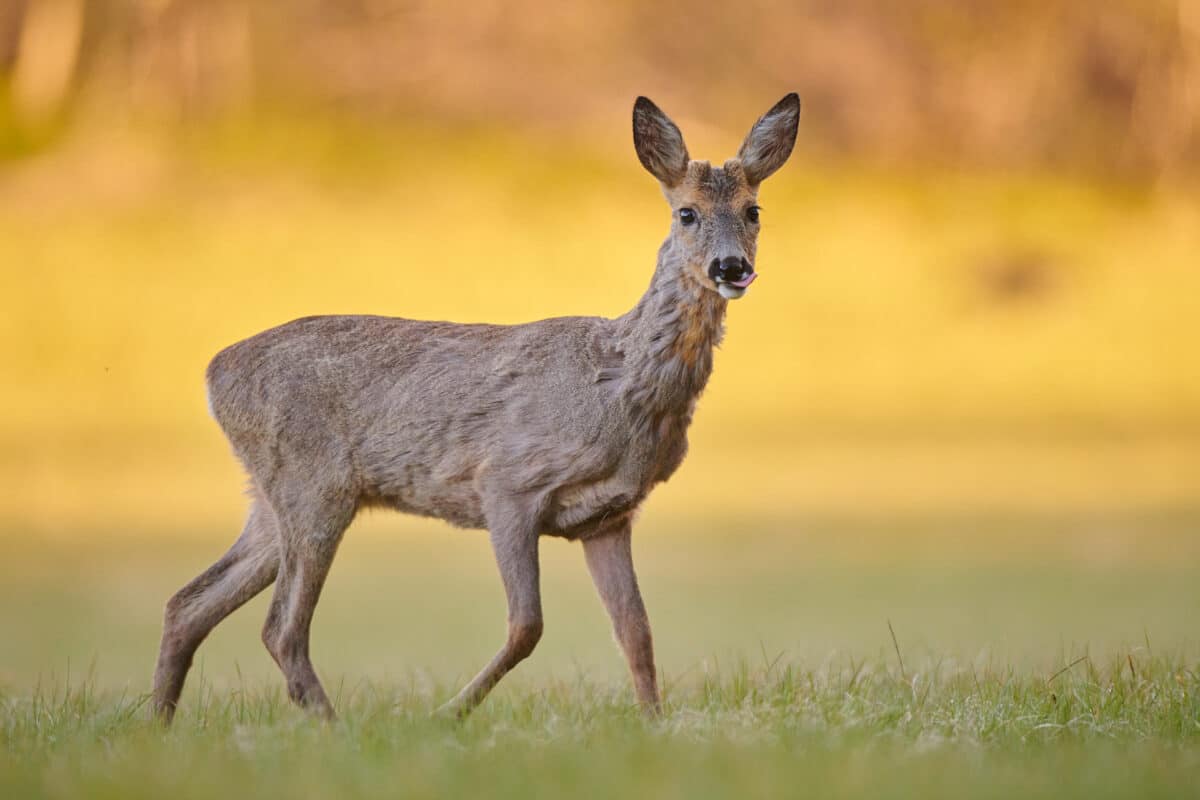
In order to photograph wild animals ethically, I have to reduce disturbances to an absolute minimum. This includes both direct and indirect interactions. In concrete terms, this means: no chasing, calling, distracting or interfering. Practices such as this are particularly reprehensible and should be strictly avoided:
Spraying an animal with water
Restricting the freedom of movement of small animals
Caging or trapping an animal
Forcing the animal into unnatural positions
Instead of running after an animal, I prefer to sit down or stand still and wait patiently. The constant approach is perceived as a threat by the animal and triggers flight reactions.
Avoidance of stressful situations
Wild animals show certain behaviors when they feel stressed. As a responsible photographer, I need to recognize and respect these signs. If an animal shows signs of stress or disturbance, I back off and use a longer lens instead.
A stressed animal can:
stop eating
turn around repeatedly
Sound a warning
become restless or flee
However, the appropriate distance varies depending on the animal species and situation. An aggressive capercaillie, for example, can even attack humans during courtship and not only tear clothing with its hard beak, but also inflict painful wounds, while a shy wild boar will take flight at a distance of 200m.
It is also worth photographing animals that are naturally accustomed to humans, such as waterfowl in parks or animals in the city: there they show their natural behavior completely unimpressed by humans and can be photographed excellently.
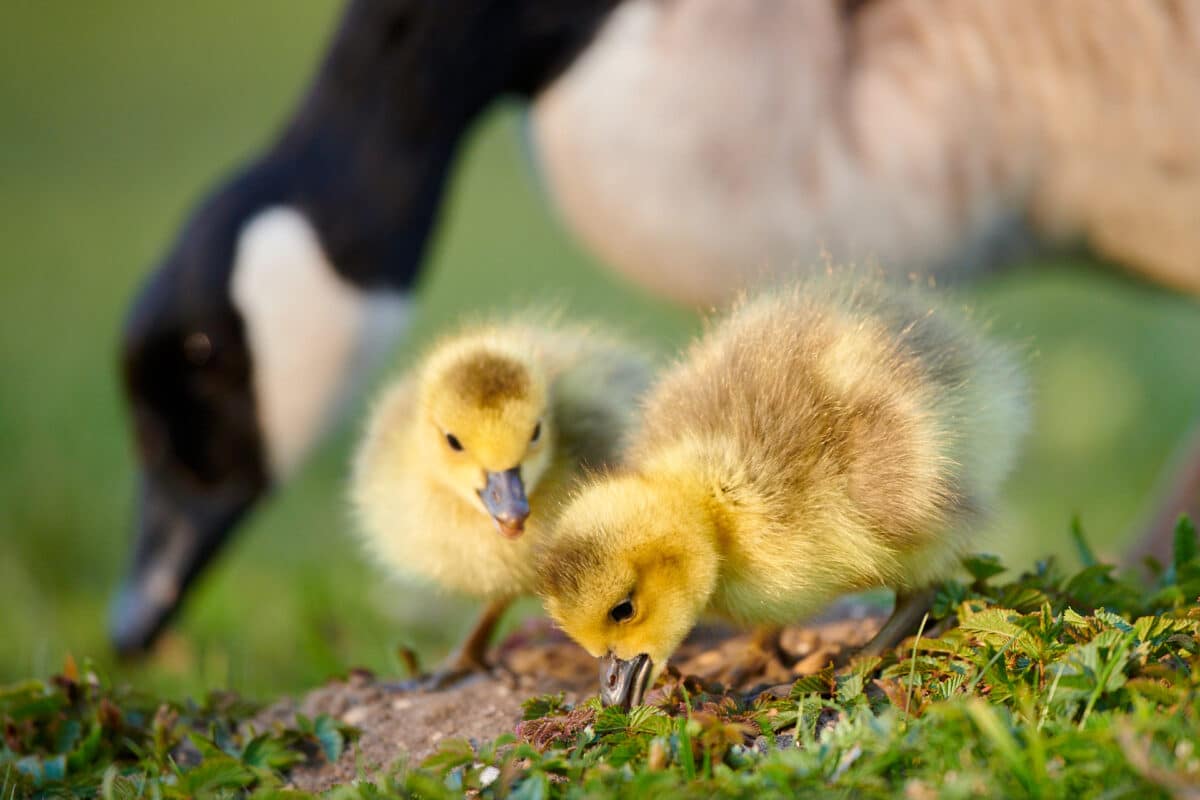
Responsible interaction with groups
An animal surrounded by crowds is a stressed animal - especially if it is wild. When observing groups, I pay attention to where I position myself to minimize stress for the animal. Alternatively, I come at a time of day when there are fewer people around.
Respect for other photographers is just as important as respect for the animals. Before I join others who are already photographing in an area, I ask politely. I also inform others if I observe them engaging in inappropriate or harmful behavior. Unfortunately, many people unknowingly endanger themselves and animals.
Simply stopping and waiting for animals to move at their own pace often makes all the difference to their welfare. With too many people getting too close to wild animals or even allowing them access to food, the consequences can be severe - these animals are often relocated or sometimes even have to be euthanized.
Im Kern ist erfolgreiche Wildlife-Fotografie eine Übung in Selbstdisziplin: Langsam sein, geduldig warten, aufmerksam beobachten und im richtigen Moment die Kamera bedienen. Die Belohnung sind nicht nur bessere Bilder, sondern auch das Wissen, die Tiere und ihren Lebensraum respektiert zu haben.
After the photo: What you should consider
The ethical responsibility of a wildlife photographer does not end with the release of the camera. In fact, an equally important stage begins after the photograph is taken - the post-processing and publication of the images. This is where the integrity of your wildlife photography is decided.
No misleading captions
Honesty is the top priority with wildlife images. Transparent captions lend authenticity and credibility to your work. Was the animal wild or trained? Did you use bait? All this information belongs in the caption. If you're uncomfortable sharing details about how a photo was taken, it's a clear sign that your methods are probably not in line with ethical principles.
The following applies:
Avoid making judgmental statements about animals based solely on their appearance
Mention inclusion conditions, especially for rare or protected species
Make sure your captions convey correct facts
Avoiding exaggerated processing
The most outstanding quality of nature photography is its authenticity. It is the art form that can come closest to reality. However, with advancing technology, especially artificial intelligence in image processing programs, this authenticity is increasingly disappearing.
Good editing merely serves to overcome technical limitations. There are different opinions among wildlife photographers as to whether or not to remove parts of the image. Follow the principle: the integrity of the subject must be preserved by maintaining authenticity. If you have heavily edited the photo, you should mention this in the caption.
No publication of sensitive locations
In this day and age of geotagging, careless location tagging can have serious consequences. In 2018, for example, the Jackson Hole Travel & Tourism Board asked visitors to stop tagging their locations after "influencers" flocked to the area in search of the perfect Instagram photo and overcrowded remote hiking trails. We know something similar from the Berchtesgaden National Park, where wild-eyed influencers sat down in mountain streams to get a really cool photo.
This is particularly critical for endangered species. In 2020, the managers of Kruger National Park in South Africa asked that no images of rhinos and elephants with location information be published, as poachers could use this information. As a responsible photographer, you should therefore refrain from geotagging sensitive species and not disclose the exact location in captions or articles.
How your photos can contribute to nature conservation
Ethically produced wildlife photos are far more than just pretty pictures - they can become active tools for conservation. The power of a single photo reaching millions of people can be critical to protecting endangered species.
Cooperation with NGOs and researchers
Cooperation with nature conservation organizations and scientists gives your images additional meaning. It is advisable to start by supporting local projects and making contact with non-governmental organizations (NGOs) in your region. This collaboration not only creates a buyer for your images, but also supports their work. In addition, working with researchers ensures an accurate and authentic representation of the animals photographed.
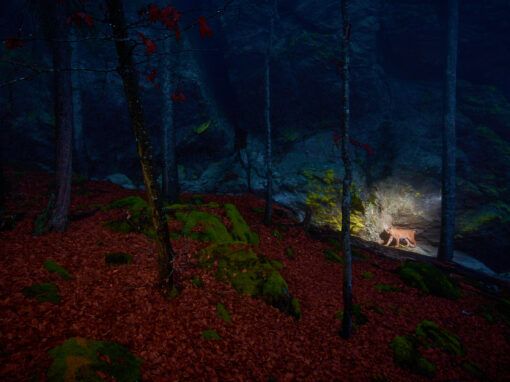
It's not just the big organizations like the WWF that need pictures for public relations work - smaller associations are also desperately looking for images to illustrate their conservation goals. I work closely with Luchs Bayern e.V. to use my lynx images for species conservation - with success!
Storytelling with impact
Photo projects that go beyond the individual image and tell stories are particularly effective. Successful wildlife photographers prove that pictures can "open eyes, arouse emotions and create awareness". At a time when many people are losing their direct connection to nature, such images make visible what would otherwise remain hidden. Storytelling is not just about showing beauty, but also about conveying connections.
Creating awareness through images
Thanks to social media, animal protection issues can now be spread worldwide. A single photo that goes viral can inspire millions to sign petitions or donate to wildlife conservation. Wildlife photography therefore has the power to inspire, but also the responsibility to do no harm. Your images can tell the story of "sentient beings with a wide range of emotional capacities".
Conclusion
Ethical wildlife photography always puts the welfare of the animals first. In fact, our most beautiful wildlife shots often have a story of patience, respect and careful preparation to tell. This approach not only creates better images, but also protects the habitats and behaviors of the animals we so admire.
However, this respectful approach requires self-discipline and empathy. Wild animals deserve our respect as sentient beings with their own rights and needs. We should therefore always see ourselves as guests in their world, not as intruders or disruptive factors.
Careful research, patient observation and appropriate distance ultimately result in the most authentic and impressive images. These images can then become powerful tools for nature conservation and evoke real emotions and connections to wildlife in viewers.
Our behavior as photographers has far-reaching consequences. Every time we pick up the camera, we make a choice - either for short-term success at the expense of animals or for sustainable, ethical photography that respects both wildlife and our art.
Of course, ethical wildlife photography starts with the individual photographer, but it doesn't end there. By sharing our knowledge and values, we can build a community of responsible photographers working together to document and protect the beauty of nature.
Ultimately, the best wildlife photos are those that are not only visually impressive, but have also been taken with a clear conscience. After all, what good is the perfect picture if it was taken at the expense of those we actually want to immortalize and protect?