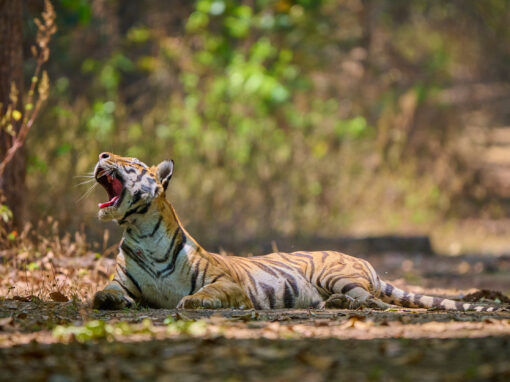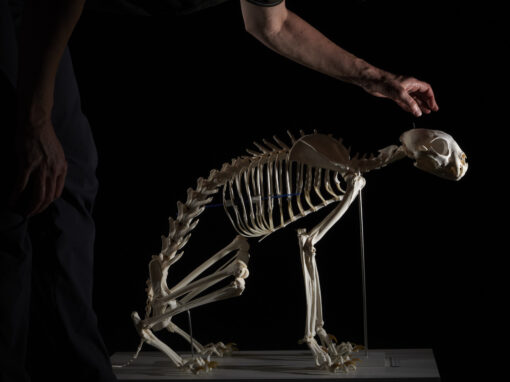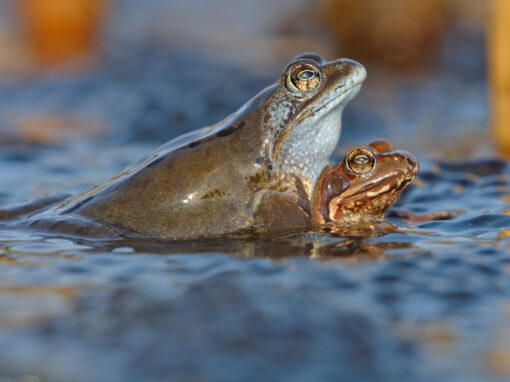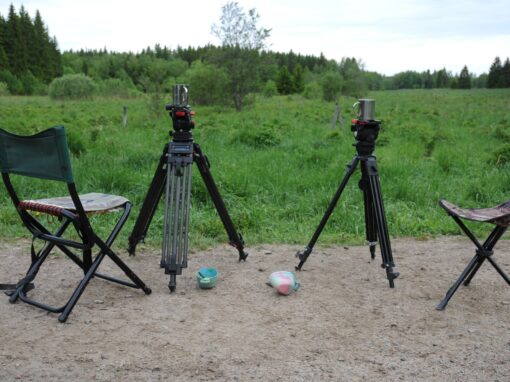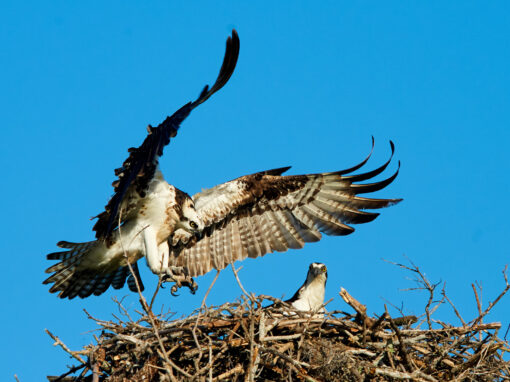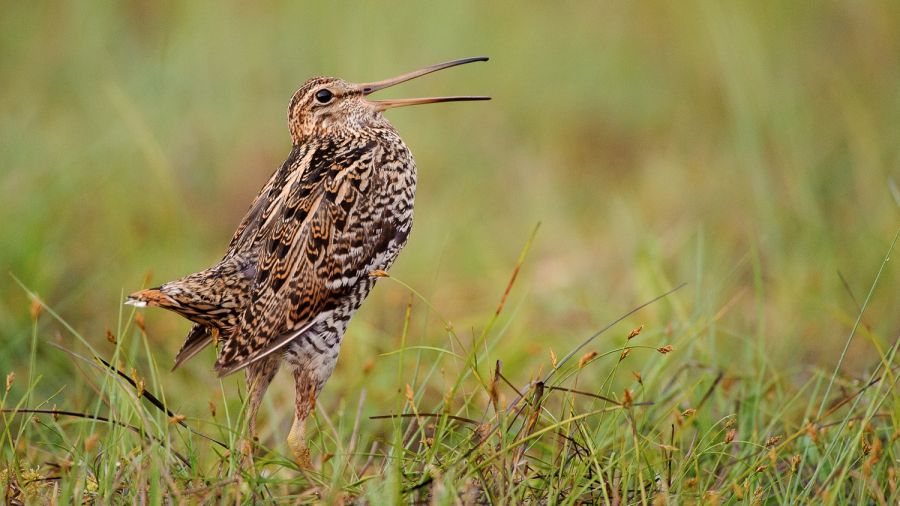


In nature and wildlife photography, the most impressive shots are often not taken overnight. Long-term projects - i.e. photographic projects lasting months or even years - allow you to delve deeper into a subject and experience nature in all its facets. For ambitious amateur photographers, they offer the chance to practice patience, tell unique stories and build a special connection to the animal and plant world.
While single shots have their own magic, the true essence of nature photography is only revealed through continuous observation and documentation. A long-term project transforms you from a casual photographer to a visual storyteller who can capture the subtle changes, rare moments and deeper meaning of the natural world.
- The importance of long-term projects in nature and wildlife photography
- Advantages of long-term projects for nature photographers
- Komm mit raus.
- Planning a long-term project in nature photography
- Implementation in practice: successfully carrying out a long-term project in animal photography
- Mastering typical challenges in long-term nature photography projects
- Inspiration: Successful long-term projects from nature and animal photography
- Conclusion: the journey is the reward
The importance of long-term projects in nature and wildlife photography
Long-term nature photography projects are much more than a collection of images - they are photographic diaries that document the evolution of landscapes, the behavior of wildlife and the cyclical rhythms of nature. While spontaneous photo tours have their appeal, longer-term projects allow for a depth and authenticity that can hardly be achieved in single shots.
For nature photographers, a long-term project means consciously taking the time to really understand a subject. It is about not only photographing what is obvious, but also discovering the hidden stories that only reveal themselves after repeated visits and patient observation. This type of photography teaches us to perceive nature not as a static motif, but as a living, constantly changing system.
A long-term photographic project also raises awareness of ecological relationships. Anyone who documents the same habitat over a period of years becomes a witness to changes - be it through natural processes, climate change or human intervention. This documentation can make a valuable contribution to nature conservation and open other people's eyes to the beauty and vulnerability of our environment.
The importance of long-term projects also lies in their transformative effect on the photographers themselves. They challenge us to develop routines, show perseverance and continuously refine our photographic skills. At the same time, they reward us with experiences and images that are only possible through perseverance and dedication.
Advantages of long-term projects for nature photographers
Opting for a long-term project in nature or wildlife photography brings with it a multitude of benefits that go far beyond individual successful shots. These projects are an investment in your own photographic development and create added value on various levels.

Fototouren & Workshops
Komm mit raus.
Gemeinsam verfeinern wir deine fotografischen Fähigkeiten — in kleinen Gruppen, mitten in der Wildnis. Sichere dir deinen Platz und entdecke die Magie von Licht und Natur neu.
Kleine Gruppen · 20+ Jahre Erfahrung
Continuous photographic development
Long-term projects are the ideal training platform for ambitious nature photographers. By regularly dealing with the same subject or habitat, your photographic eye will continue to develop. You learn to find new perspectives again and again, even if you have visited the same place dozens of times.
Your technical skills will improve almost automatically if you photograph under different conditions over longer periods of time. You will learn how your camera reacts in different lighting conditions, how to deal with changing weather conditions and which equipment is best suited to which situations. No tutorial or textbook can replace this practical experience.
The learning effect through comparability is particularly valuable. If you photograph the same motif or animal species repeatedly, you can directly track your progress. You can see where you have improved and which aspects still have potential for development. This form of visual feedback is a powerful tool for your photographic maturity.
A long-term project also forces you to be creative. Once you have captured the obvious motifs, you have to become more innovative to find new angles and forms of expression. This creative challenge encourages experimental thinking and broadens your photographic horizons in the long term.
Unique insights into animal behavior and natural processes
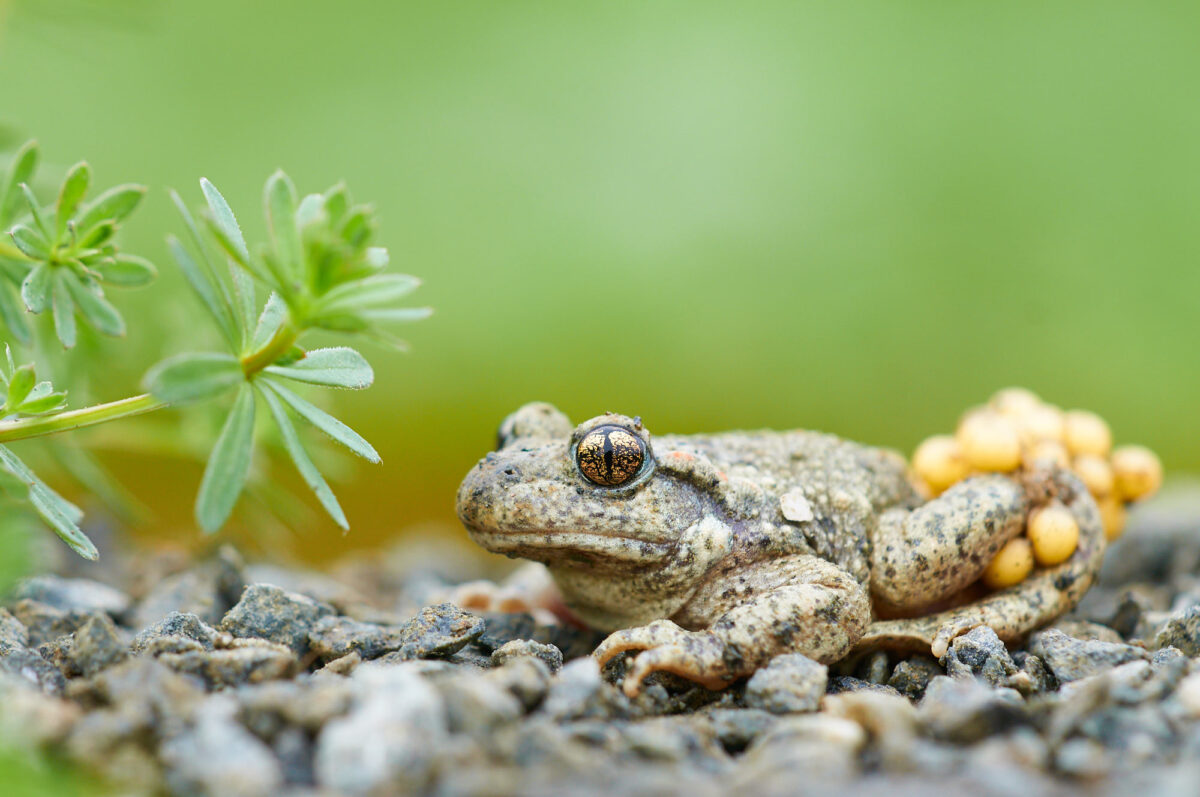
Animal photography thrives on authentic moments that show the natural behavior of animals. Such shots are rarely taken on the first visit to a habitat. Long-term projects allow you to really understand the behavior of a species and anticipate when and where special moments might take place.
Through regular observation, you will recognize patterns in the daily routine of wild animals. You will learn when certain animals set off in search of food, where they prefer to rest and how they react to different environmental conditions. This knowledge is worth its weight in gold for impressive wildlife shots, because you are in the right place at the right time - not by chance, but by experience.
In nature photography, long-term projects make it possible to document changes that take place over longer periods of time. The changing seasons, the development of plant communities, the effects of periods of drought or the regeneration after a forest fire - all these processes only reveal themselves over months and years. Your series of images becomes a visual testimony to natural dynamics.
Insights into life cycles are particularly fascinating. For example, if you follow a family of birds from courtship to nest building to rearing their young, you will create a series of images that tell a complete story. Such documentation has not only photographic, but also documentary and educational value.
Contribution to nature conservation and awareness (storytelling with impact)
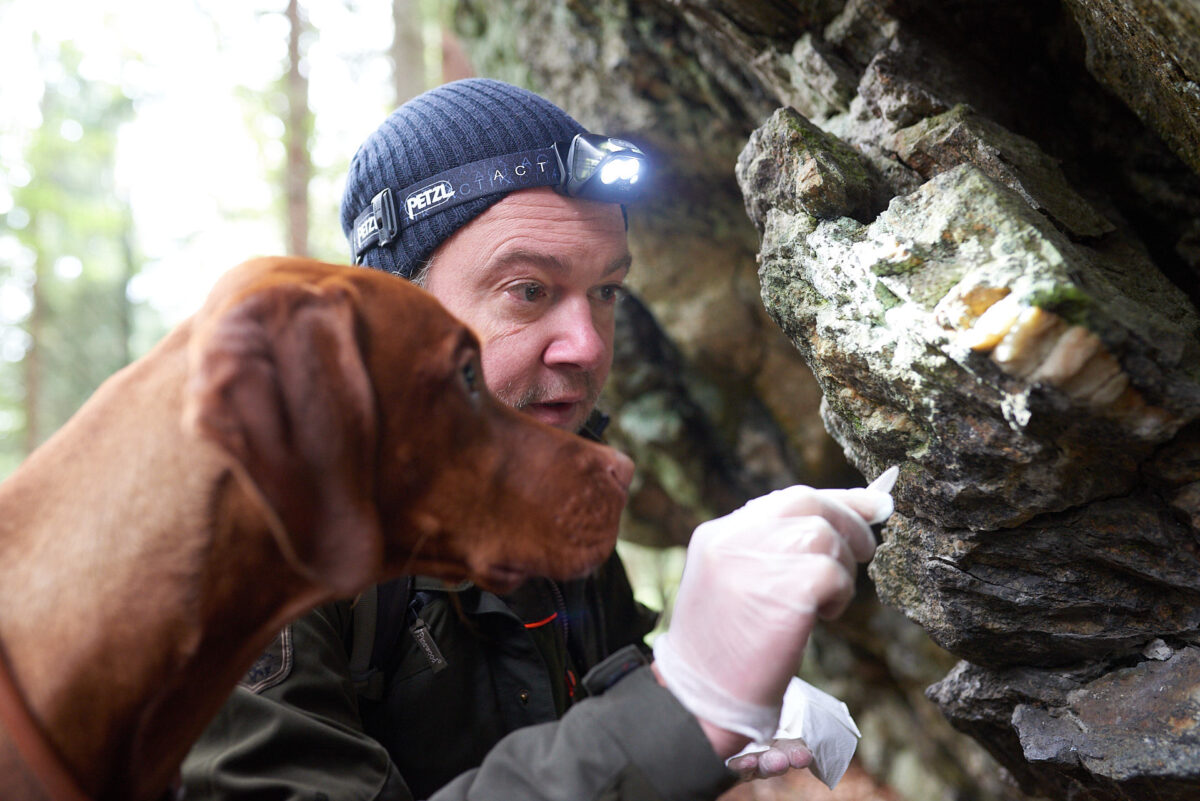
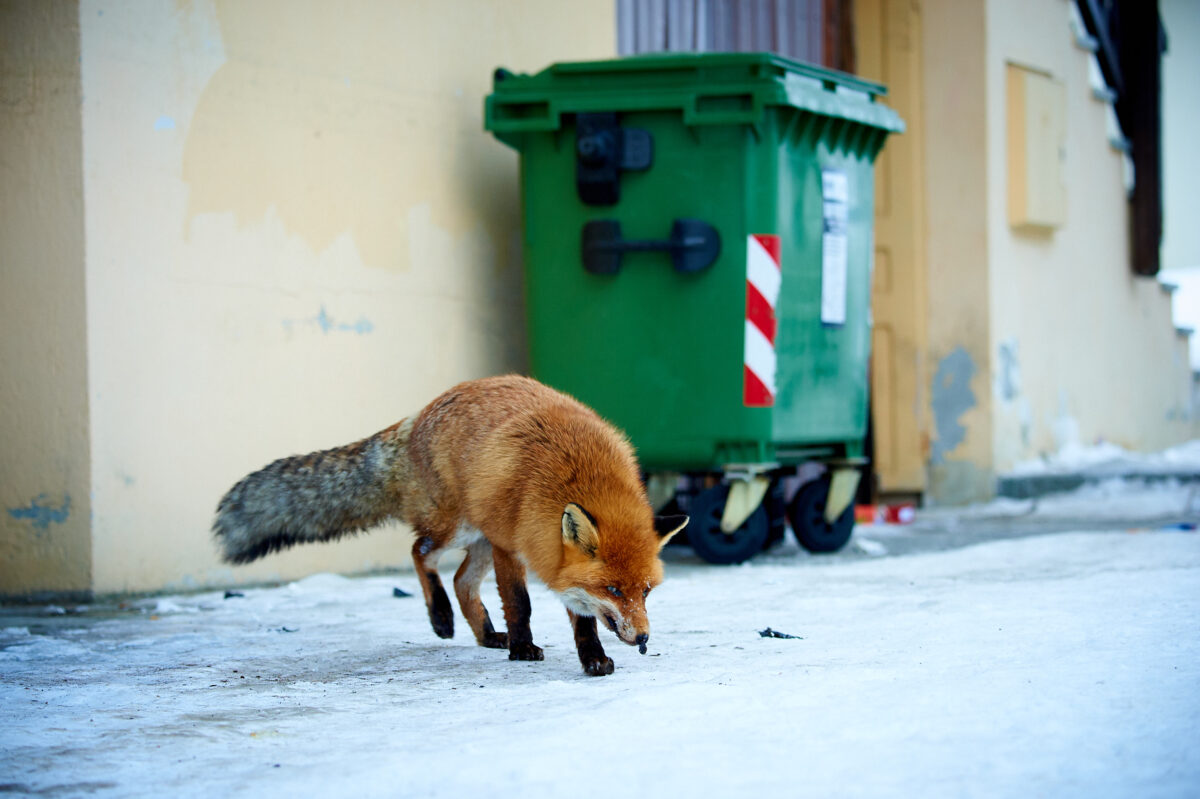
Nature photography can be much more than the hunt for beautiful images - it can be a powerful tool for nature conservation and environmental awareness. Long-term projects are particularly well suited to telling stories that touch people and make them think.
Your photographic documentation can make changes visible that are often overlooked in everyday life. When you show how a habitat has changed over the years - whether through climate change, urbanization or successful renaturation - you create an awareness of the urgency of nature conservation. Images have an emotional power that statistics and reports often lack.
Long-term projects in wildlife photography can also help to put endangered species in the spotlight. When you document the life of an endangered species over a period of years, a connection is created between the viewers of your images and the animals. This emotional connection is often the first step towards active involvement in species conservation.
Your work can also have scientific value. Long-term photographic documentation provides valuable data on population developments, behavioral changes or the effects of environmental changes. Many citizen science projects use such photographic records as a supplement to scientific studies.
By sharing your pictures and the stories behind them - be it on social media, in exhibitions or lectures - you become an ambassador for nature. You inspire other people to become more aware of their surroundings and to take action to protect nature themselves. In this sense, your long-term photographic project becomes a contribution to a more sustainable future.
Planning a long-term project in nature photography
A successful long-term project does not begin with the first release of the shutter, but with careful planning. The right preparation determines whether your project will give you pleasure for months or years and lead to impressive results, or whether it will fizzle out after a few weeks.
Topic selection and objectives - finding the right photo project
Choosing the right subject is the most important decision for your long-term nature photography project. It should fascinate you personally and be able to motivate you over a longer period of time. Think about which aspects of nature particularly interest you and where your photographic strengths lie.
A good long-term project should be specific enough to stay focused, but also offer enough scope for creativity and unexpected discoveries. For example, instead of "photographing birds", your topic could be "the development of a gray heron colony over three breeding seasons". This concretization helps you to structure your project and gives you clear milestones.
Also consider feasibility when choosing a topic. A project about polar bears in the Arctic may sound fascinating, but for most amateur photographers it is hardly feasible logistically and financially. Projects closer to home have the great advantage that you can visit them regularly without breaking your budget or having to spend an excessive amount of time traveling.
Set realistic goals for your project. Define what you want to achieve:
- Do you want to create a certain number of images?
- Organize an exhibition?
- Producing a photo book?
- Building an online portfolio?
Specific goals help you stay motivated and measure your progress. At the same time, you should remain flexible enough to adjust these goals if your project develops in unexpected but exciting directions.
Also consider whether you want your project to convey a message. Do you want to draw attention to environmental problems? Show the beauty of an often overlooked habitat? Document the behavior of a particular animal species? A clear focus gives your project depth and makes it more interesting for other people.
Consider research, location and seasons
Thorough research is the foundation of a successful long-term project in nature photography. Before you start photographing, you should study your chosen subject in depth. For wildlife photography projects, this means studying the behavior, lifestyle and seasonal activities of the animals. Books, scientific articles, documentaries and conversations with biologists or conservationists can provide valuable information.
Choosing the right location is crucial. Places that you can visit regularly and at different times of day are ideal. Find out about the legal framework: Is the area freely accessible or do you need permits? Are there protected periods during which certain areas may not be entered? Respect for nature and wildlife should always come first.
Explore your location without a camera first. Get to know the terrain, find out where animals are at what times, which areas offer the best light and where interesting compositions are possible. These exploratory tours are not wasted time, but an investment that will pay off in better pictures.
The seasons play a central role in nature photography. Plan your project so that you cover all the relevant seasons. Each season offers unique photographic opportunities: the fresh greenery and mating activity of spring, the long light of summer evenings, the spectacular colors of autumn or the minimalist aesthetics of winter. Ideally, a complete long-term project should cover the entire annual cycle.
Create a rough schedule that takes into account the most important seasonal events. When does the breeding season of the birds you want to photograph begin? When do certain plants bloom? When is the deer rut? Such fixed points in the calendar help you to plan your visits optimally. Use nature calendars and phenological observations to make sure you don't miss the best time for certain motifs.
Time and resource planning (equipment, permits, etc.)
A long-term project requires not only photographic skills, but also organizational skills. A realistic assessment of your available time is the first step. How many hours per week or month can you devote to your project? Take into account not only the time on location, but also for travel, image processing, archiving and documentation.
Create a project plan that is flexible enough to react to the unpredictable, but structured enough to keep you on track. Set yourself milestones - such as quarterly reviews where you review your results so far and plan your next steps. Such regular interim reviews will help you to stay motivated and make adjustments if necessary.
Equipment planning is particularly important for wildlife photography projects. Which lenses do you need? Is your current equipment sufficient or do you need to invest in additional equipment or rent it? For long-term projects, we recommend robust, weather-resistant equipment that works reliably even in adverse conditions. Also consider whether you need additional equipment such as camouflage tents, tripods for long exposures or remote triggers.
Also plan a budget for your project. In addition to possible equipment, there will be costs for travel, possibly parking fees, permits and perhaps later for the presentation of your work (print, website, exhibition). A realistic budget will help you to make the project financially sustainable.
Find out about the necessary permits in good time. In nature reserves, national parks or on private land, you often need permission for photographic activities, especially if you want to set up camouflage hideouts or regularly enter certain areas. You should contact local nature conservation organizations, forestry authorities or landowners well in advance.
Also consider data management in your planning. In a long-term project, thousands of images are created over the months and years. A well thought-out system for archiving, indexing and backing up your photos is essential. Invest time in setting up a good workflow that will save you a lot of work later on and prevent you from losing track.
Implementation in practice: successfully carrying out a long-term project in animal photography
The best planning is useless without consistent implementation. Practice shows whether your long-term nature photography project really works. The following aspects are crucial for turning a good idea into a successful, fulfilling project.
Keep at it: Develop regularity and perseverance
Regularity is the key to success in long-term animal photography projects. Try to establish a fixed rhythm that fits in with your life. This could be weekly visits, fortnightly outings or even monthly intensive photo sessions - the important thing is that you maintain this rhythm as far as possible. Continuity is more important than occasional marathon sessions.
Rituals can help to maintain this regularity. Perhaps you take a trip to your project location every Saturday morning at sunrise, or you reserve a fixed afternoon each month for extended photo tours. Such fixed appointments become a habit after a while and are easier to keep than spontaneous decisions.
Keep a project diary in which you not only document your pictures, but also record observations, weather conditions, light situations and personal insights. These notes are valuable for planning future visits and help you to recognize patterns. The diary also serves as a source of motivation on days when you don't seem to be in the mood for your project - a look back at previous successes can work wonders.
Set yourself intermediate goals that you can achieve within a few weeks or months. These can be specific shots that you are aiming for, or even completing a series of images on one aspect of your project. Such small successes keep your motivation high and give you the feeling that you are making progress, even if the overall project is still a long way off.
Share your project with others. Tell friends and family about it, show them your latest shots regularly, or start a blog or social media channel about your project. The fact that others are following your progress can be an additional motivating factor and keep you going even on difficult days.
Stay flexible: Adapt to weather, seasons and animal behavior
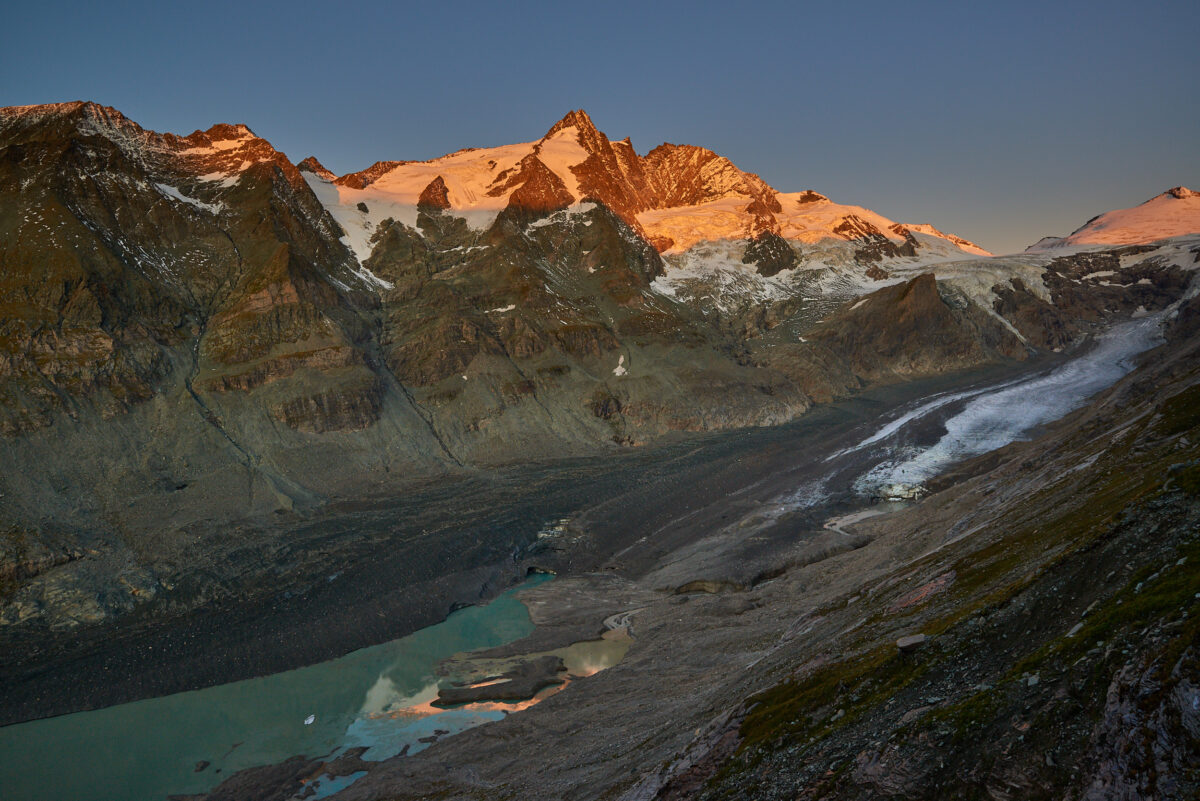
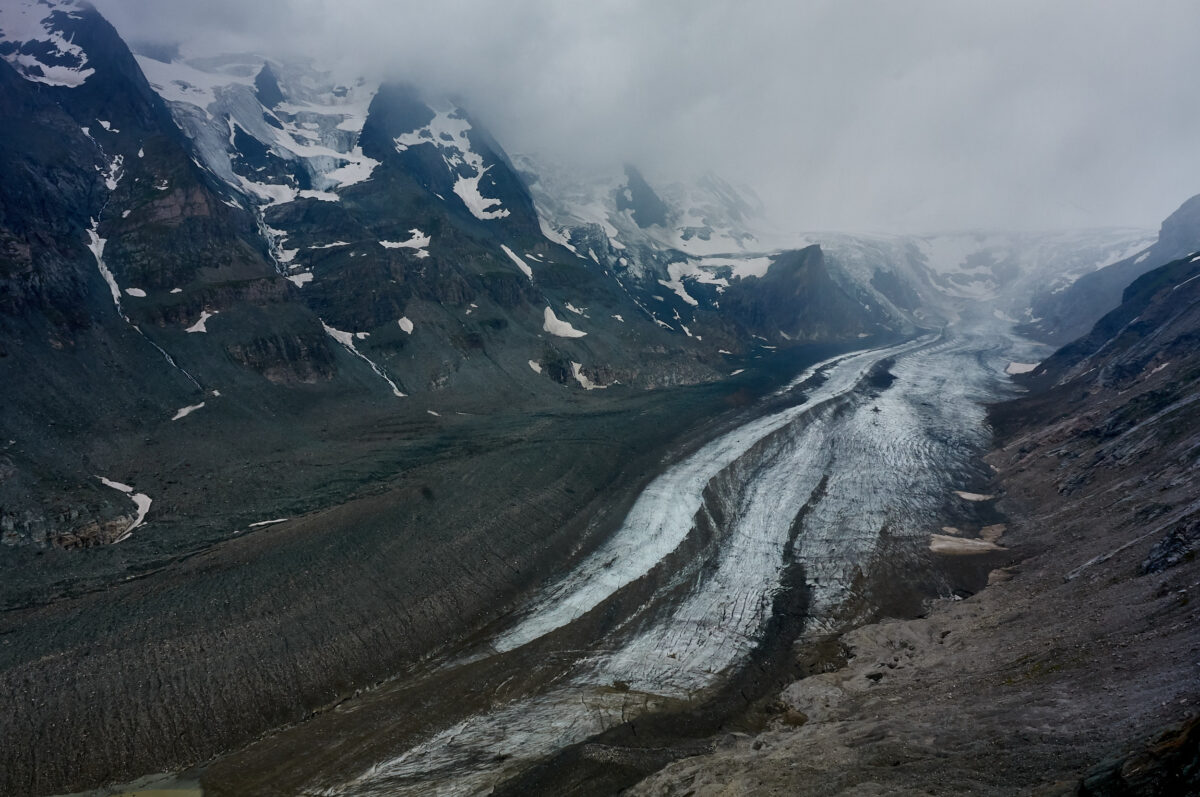
As important as regularity is, flexibility is also crucial. Nature doesn't stick to plans, and that's what makes nature photography so exciting and challenging. Be prepared to adapt your plans when circumstances require it - or when unexpected opportunities arise.
Weather conditions are the most obvious factor that requires flexibility. Learn to see the weather not as an enemy, but as a creative challenge. Dramatic clouds, fog, rain or snow can create extraordinary lighting moods that will make your pictures unforgettable. Of course, there are weather conditions that are actually unsuitable - but it is often worth going out even in supposedly "bad" weather. Some of the most impressive nature shots are taken precisely when other photographers stay at home.
Animal behavior is often unpredictable, and adaptability is also required here. If the deer you have regularly observed in a certain place suddenly appear somewhere else, you must be prepared to change your route. If a bird species breeds earlier or later than in previous years, your schedule will need to be adjusted. This flexibility is not a weakness in your planning, but a natural part of working with living subjects.
Be open to new discoveries that are not directly related to your original project plan. Perhaps you discover a particularly interesting insect or a rare plant at the same location during your project on a bird species. Such additions can enrich your project and give it additional dimensions. Sticking too rigidly to the original plan can lead to you missing wonderful opportunities.
Seasonal shifts due to climate change are a reality that nature photographers have to deal with. Phenological events such as flowering times, bird migration or leaf coloration are shifting, and what worked last year in mid-April may be relevant this year at the beginning or end of April. Stay alert to these changes and adjust your visits accordingly.
Recording progress and learning from experience
A structured system for documenting your progress is worth its weight in gold for a long-term project. In addition to the photographic work itself, you should regularly plan time for viewing, evaluating and archiving your images. Develop a consistent system for keywording and rating your images, which will enable you to quickly find specific images or series later on.
Have regular review sessions in which you take a critical look at your work. What works well? Which image ideas have proven successful, which have not? Where do you see potential for improvement in your technique or image composition? This self-critical analysis is essential for your photographic development. Also compare shots of the same subject from different time periods - this is the clearest way to see how your skills have improved.
Make a note of technical findings. If you notice that certain camera settings, lenses or perspectives work particularly well for your project, make a note of this. Equally important are notes about what didn't work. These learning processes will save you time and frustration in the future.
Also document the story behind the pictures. How long did you wait for a particular animal to appear? What special circumstances led to an unusual shot? What failed attempts preceded it? These stories make your project authentic and will help you later when you present or report on your work.
Don't be afraid to get feedback from more experienced photographers. Join local photography clubs, take part in online communities or find a mentor. Constructive criticism from outside can open up new perspectives and make you aware of blind spots in your work. At the same time, you can learn from the experiences of others with long-term projects and gain valuable tips for your own work.
Mastering typical challenges in long-term nature photography projects
Every long-term project brings challenges with it. The ability to deal with setbacks and stay motivated despite difficulties is what separates successful projects from those that are abandoned prematurely. The following strategies will help you overcome the most common hurdles.
Staying patient and maintaining motivation
Patience is perhaps the most important virtue in nature and wildlife photography, and it is especially tested on long-term projects. There will be days when you wait for hours and go home without a single usable image. There will be weeks or months where nothing interesting seems to happen. These phases are normal and part of any long-term project.
At such moments, remind yourself why you started this project. What fascinated you at the beginning? What goals did you want to achieve? Visualize the final version of your project - the finished series of pictures, the photo book or the exhibition. This mental anticipation of success can have a motivating effect in difficult phases.
Celebrate small successes. Not every outing has to result in spectacular shots. Even small advances are valuable: a new behavior observed, a location discovered, a technical challenge mastered. These small victories add up to a big picture.
Vary your approach when routine becomes a burden. Try new perspectives, experiment with different focal lengths or consciously photograph details instead of the usual wide-angle shots. Such creative experiments can spark new enthusiasm and steer your project in unexpected, exciting directions.
Give yourself a conscious break if you notice that your enjoyment of your project is waning. A few weeks away can work wonders. You often come back after a break with fresh energy and new ideas. A long-term project is a marathon, not a sprint - regular recovery phases are part of it.
Seek the company of like-minded people. Exchanging ideas with other nature photographers who are also working on long-term projects can be incredibly motivating. You can support each other, share experiences and build each other up during difficult phases. Joint photo excursions can rekindle the joy of nature photography, even if you are working on different projects.
Dealing with setbacks and learning from mistakes
Setbacks are inevitable in long-term projects, but they don't have to mean the end. The response to these challenges is crucial.
The habitat you are documenting could be altered by storms, forest fires or human intervention. The species you are accompanying could change location or be decimated by disease. Such events are painful, but they are also part of natural dynamics and can become important aspects of your project. Documenting change and loss is often more powerful than simply depicting beauty.
Photographic failures are learning opportunities. If a shot that you have been working towards for a long time fails technically - whether due to incorrect exposure, blurring or bad timing - analyze what went wrong. Was it a technical problem that you could avoid with better camera settings? Was it a lack of preparation? Or simply bad luck with the timing? This analysis will make you better equipped for future situations.
Sometimes it also turns out that the original project concept doesn't work. Perhaps the chosen location is less productive than expected, or the animal species in focus is less common than hoped. In such cases, it is not a defeat, but a sign of wisdom to adapt or realign the project. Flexibility also means being honest with yourself and being prepared to make the necessary changes.
Learn to distinguish between real problems and normal dry spells. Not every phase without spectacular results is a setback - sometimes it simply takes time until the next photographic opportunities arise. Patience and perseverance are the key here. On the other hand, you should also recognize when fundamental aspects of your project need to be reconsidered.
Also document your mistakes and setbacks. They are part of your learning journey and can be valuable later when you report on your project or tell other photographers about your experiences. Authenticity is not only created through perfect images, but also through the honest portrayal of the challenges you have overcome.
Inspiration: Successful long-term projects from nature and animal photography
Sometimes it helps to learn from concrete examples and be inspired. The following project ideas show how diverse long-term projects in nature photography can be and what opportunities are also available on your own doorstep.
On the doorstep: documenting a local habitat over decades (e.g. "Nature in Munich")
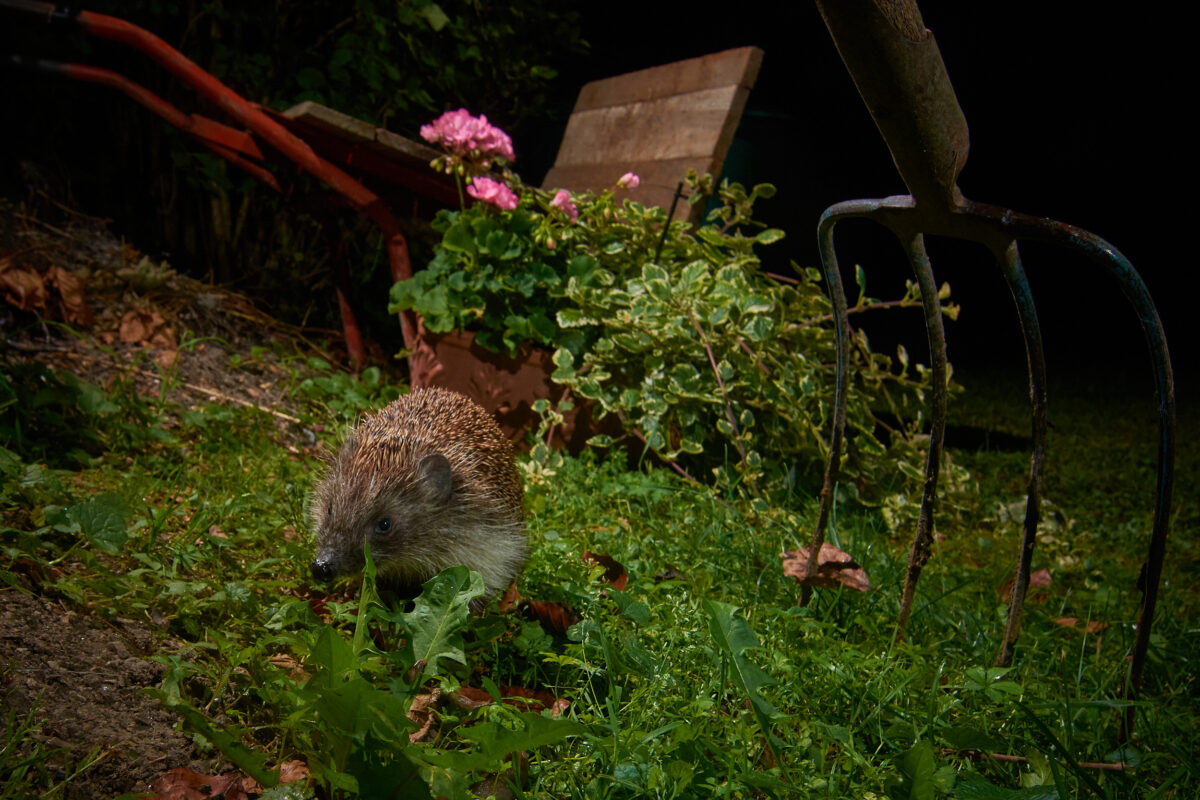
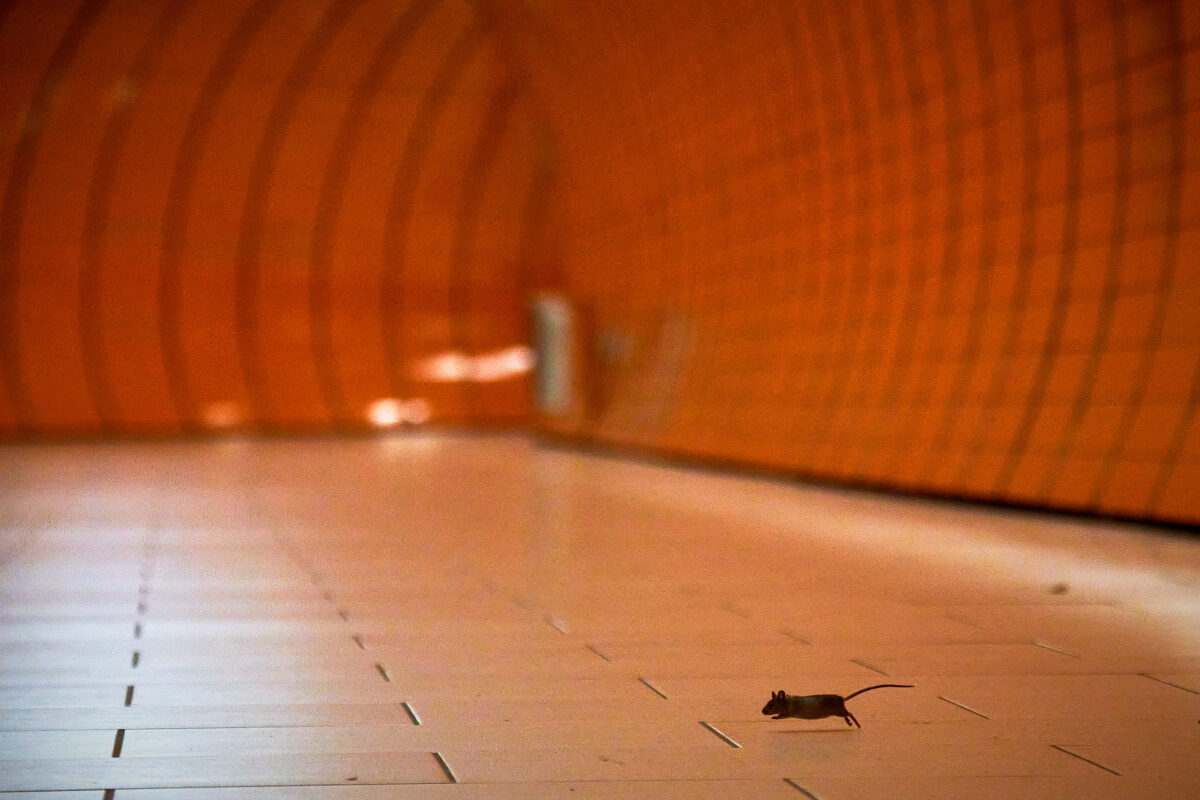
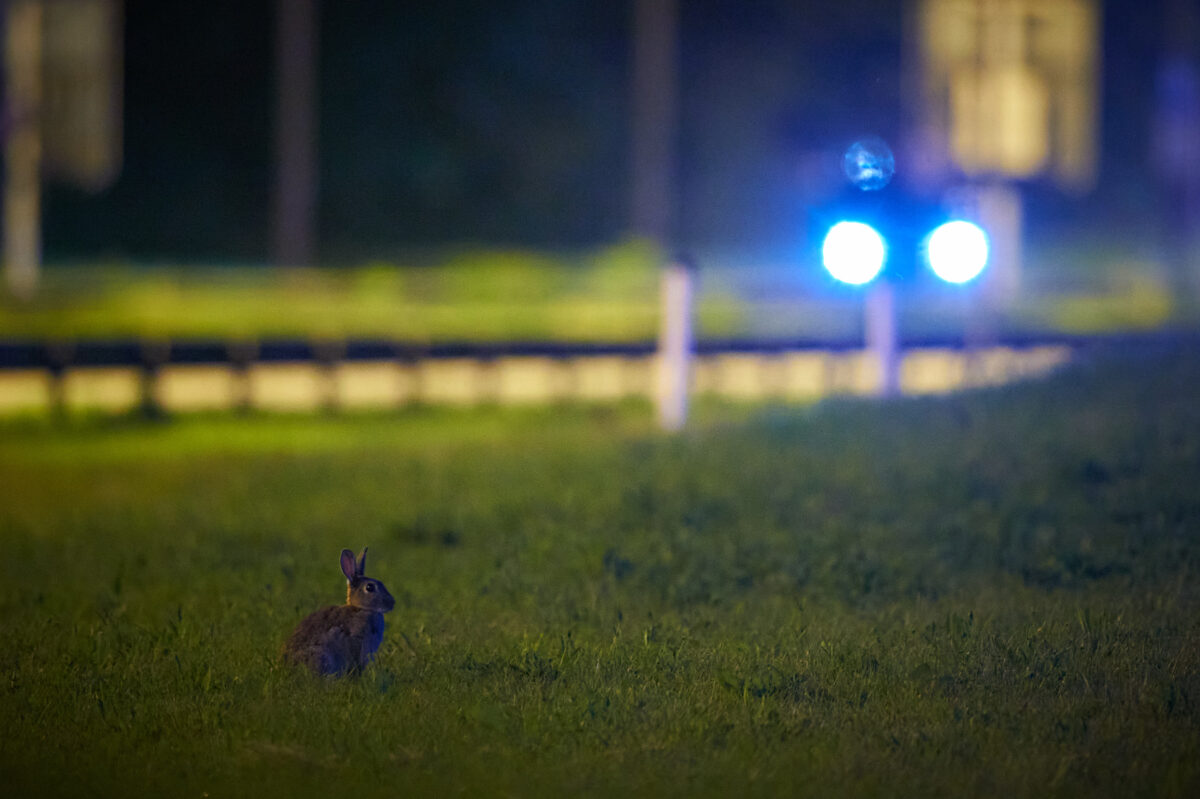
One of the most accessible and at the same time most valuable long-term projects is the documentation of a local habitat over many years. The Frankfurt City Forest is an excellent example of how an urban forest area can become the setting for a long-term photographic project. With its different types of forest, wetlands and rich flora and fauna, it offers countless motifs for nature photography.
Documenting such a habitat over years or decades creates a visual archive of inestimable value. You could show how the forest changes with the seasons, how tree populations develop, how climate changes affect flowering times and animal populations. Such a project does not require long journeys, but only the willingness to visit the same place regularly and to walk through familiar terrain with open eyes.
The great advantage of local projects is their practicality. You can react spontaneously when special weather conditions promise interesting lighting situations. You get to know the best spots for different seasons and times of day. You observe where certain animals are regularly found. This intimacy with the location leads to shots that visitors could never take.
Such a project could have different thematic focuses: macro photography of mushrooms and insects, documentation of bird species over the course of the year, the change in individual striking trees over the years, or the effects of forestry and nature conservation measures. You could also focus on a specific area such as a stream, a clearing or an old stand of trees.
The challenge with such long-term local projects lies in finding new perspectives even years later and maintaining photographic freshness. But it is precisely this challenge that makes you a better photographer. You learn to discover the special even in the familiar, to read the light precisely and to wait for the perfect moment. The resulting series of pictures will not only be aesthetically valuable, but also an important contemporary document of local natural history.
Wildlife photo project: accompanying an animal species for years (e.g. lynx in the Bavarian Forest)
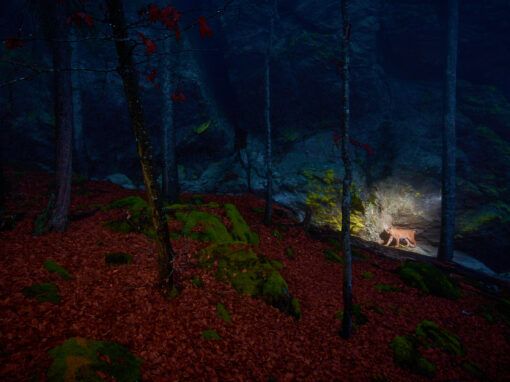
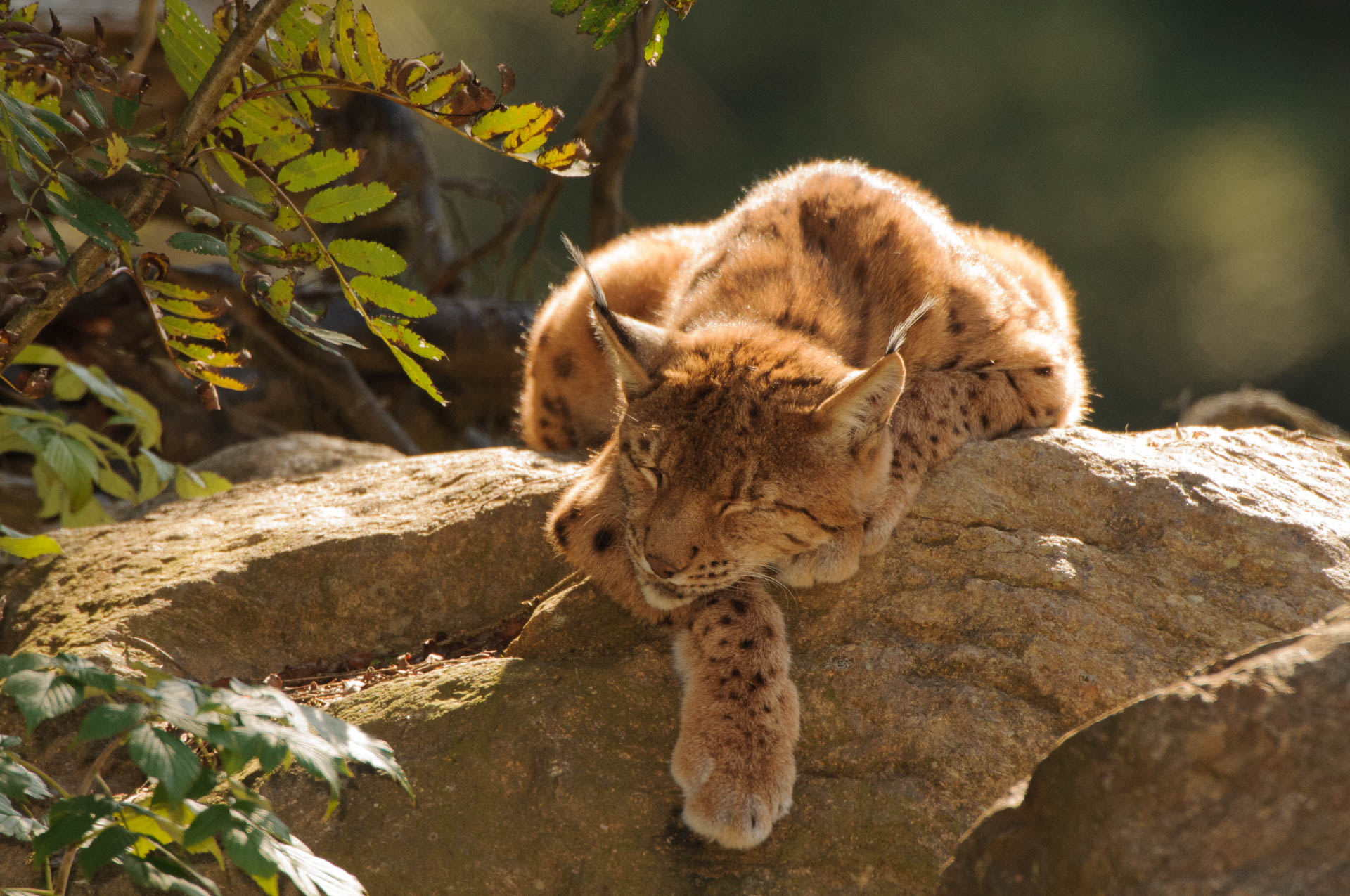
The intensive study of a single animal species over several years is one of the most demanding but also most fulfilling forms of wildlife photography. The example of the lynx in the Bavarian Forest shows what such a project could look like. These shy wild cats are notoriously difficult to observe and photograph, which makes the challenge even greater.
Such a project begins with intensive research into the animals' way of life. You need to get to know their territories, understand their activity times and identify places where sightings are more likely. In the case of lynx, these could be game crossings, lookout points or areas where they regularly lie in wait for prey. This groundwork can take months before you even take your first usable shot.
Following an animal species over the years allows you to document various aspects of its life: Territory fights, courtship behavior, the rearing of young, hunting techniques and seasonal changes in behavior. You develop a deep understanding of the ecology of the species and its role in the ecosystem. Your pictures will not only tell of individual moments, but of complete life stories.
Patience and perseverance are particularly important with rare or shy species such as the lynx. Weeks may pass in which you only see tracks, but never the animal itself. These experiences teach you humility and deepen your connection to nature. When the longed-for sighting finally happens and you press the shutter release, the joy is all the greater.
Such a wildlife project often also has a nature conservation dimension. Your documentation can help to educate people about the species, break down prejudices and create understanding for conservation measures. In the case of the lynx, for example, your images could show how the reintroduction in the Bavarian Forest is progressing and how these animals interact in their habitat.
The technical requirements for such projects are high. Long telephoto lenses, fast shutter speeds, good low-light performance of the camera and often also camouflage equipment are necessary. But the technical challenge is secondary to the biological understanding and field work. The best wildlife photographers are always good nature observers too.
Another aspect is ethical responsibility. When photographing animals, especially sensitive species, the welfare of the animals must always take priority. Disturbances must be minimized, breeding grounds and resting areas must be respected. Dealing responsibly with your subjects is not only morally imperative, but also the basis for long-term success - only if the animals are not disturbed will they remain in their usual places and allow further observations.
Seasons series: Capturing the same motif as nature changes
A particularly fascinating concept for a long-term project is the documentation of the same motif over all seasons, ideally over several years. This form of nature photography shows the transience and eternal cycle of nature in an impressive way. Whether a single striking tree, a characteristic landscape, a stream or a forest clearing - the transformation through the seasons offers endless photographic possibilities.
The challenge is not simply to return to the same spot four times a year and take pictures, but to capture each season in such a way that its special quality becomes visible. Spring with its delicate awakening, the abundance of summer, the explosion of color in autumn and the stillness of winter - each phase requires a different photographic approach and offers different lighting conditions and moods.
Such a project becomes particularly interesting if you not only document the obvious main seasons, but also capture the transitions. Late winter, when the first buds swell, early summer with its lush vegetation, Indian summer with its special light moods or late fall, when the first frost covers the landscape - these intermediate phases often have a very special charm.
A seasonal project teaches you to be patient and wait for the right moment. Not every visit will result in the perfect shot. Sometimes you have to return to the same time of year several times until the light, weather and natural conditions are just right. But it is precisely these repetitions that refine your photographic eye and your understanding of the place.
Technically, this project offers the opportunity to experiment with different styles. Perhaps in spring you shoot with an open aperture and focus on details such as buds and young leaves, while in summer you take wide-angle shots that show the lush landscape. In autumn, long exposures might capture the movement of falling leaves, and in winter, more minimalist compositions that emphasize the reduced color palette.
A project like this makes an excellent presentation. Four-part picture series that show the same motif in all four seasons have a strong visual impact. They tell of change and continuity at the same time and make the passage of time visible in a poetic way. As a photo book, in an exhibition or as wall decoration, such series unfold their full power.
The long-term nature of such a project can also be set up for several years. If you visit the same location again and again over five or ten years, you not only document the seasonal cycles, but also longer-term changes. You can see how trees grow, how vegetation changes and how climatic changes may have an impact. Your series of pictures becomes a visual diary that goes far beyond mere aesthetics.
Conclusion: the journey is the reward
Long-term projects in nature and wildlife photography are far more than just a method of creating impressive images. They are a philosophy of life, a form of meditation and a way to build a deeper connection to the natural world. In our fast-paced world, where instant gratification and quick wins are often the focus, such projects teach us the value of patience, perseverance and continuous dedication.
The photographic journey you embark on with a long-term project will change you. You will not only become a better photographer, but also a more attentive observer of nature. You will learn to notice the subtle changes that others overlook. You will develop a sense for the rhythms of nature and the peculiarities of your photographic subjects. This sensitivity is a gift that extends far beyond photography.
A long-term project requires courage - the courage to make a long-term commitment, even if success is not immediately visible. It requires humility - the realization that nature does not follow our plans and that many factors are beyond our control. And it requires love - a genuine enthusiasm for the subject that will carry you through difficult phases.
The pictures at the end of your project will be more than just technically perfect shots. They will tell stories - of patience and perseverance, of special moments and long waits, of the beauty of nature and its vulnerability. They will be authentic because they are based on real experience and deep understanding. This authenticity is what sets your work apart from casual shots and gives it a special depth.
Perhaps the most valuable result of a long-term project is not the final series of pictures, however impressive they may be. It's the experiences you have gathered along the way. The early mornings in the fog, the patient hours in the camouflage hide, the magical moments when a shy animal finally appears in front of your lens, the changes you have observed over the seasons - these experiences shape you and enrich your life.
If you've been hesitant to start your own long-term nature or wildlife photography project, now is the time. It doesn't have to be a big, elaborate project. Start with something manageable that fascinates you and that you can visit regularly. A park near you, a particular tree you photograph every month, a bird species that breeds in your garden - the possibilities are endless.
The first step is always the hardest, but it is also the most important. Take your time to plan, but don't let perfectionism paralyze you. No project goes exactly to plan, and that's okay. Nature will surprise, challenge and reward you - often in unexpected ways. Be open to these experiences and be willing to learn along the way.
Your journey as a nature photographer will take on a new dimension through a long-term project. You will learn to think in larger time frames, in stories instead of individual images. You will develop a patience that is also valuable in other areas of life. And you will create a collection of images and memories that will remain valuable for years to come and perhaps even make a contribution to nature conservation.
Nature is waiting to be discovered by you - not just once, but again and again, in all its facets and seasons. Your long-term nature photography project begins with the next step outside the door. Take your camera, choose your subject and start your journey. The most impressive stories don't happen overnight, but they do happen - one shot, one observation, one visit at a time.